Avalanche Safety and Backcountry Tips
Colorado Backcountry Blog
Welcome to Powder Pro Lab.
We are your go-to resource for motorized avalanche safety education in central Colorado. Whether you're a seasoned snowmobiler looking to enhance your skills or a skier eager to access remote terrain with a snowmobile, our expert-led courses and resources are designed to ensure you stay safe while enjoying the thrill of the backcountry. From in-depth avalanche safety training to top gear recommendations and guided trips, we provide everything you need to confidently navigate Colorado's stunning snow-covered landscapes.
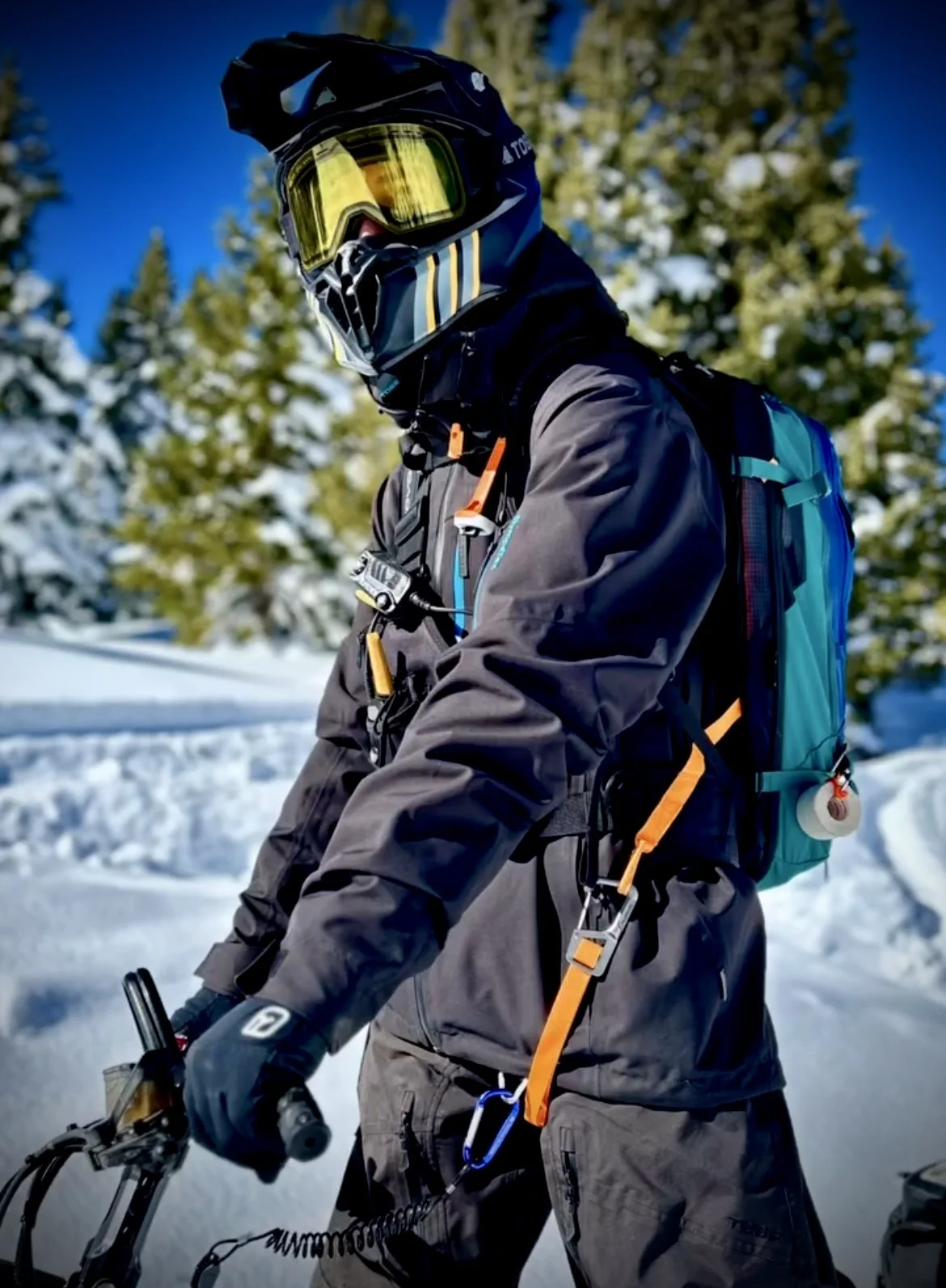
Learning in Low Tide: perspective for backcountry goals
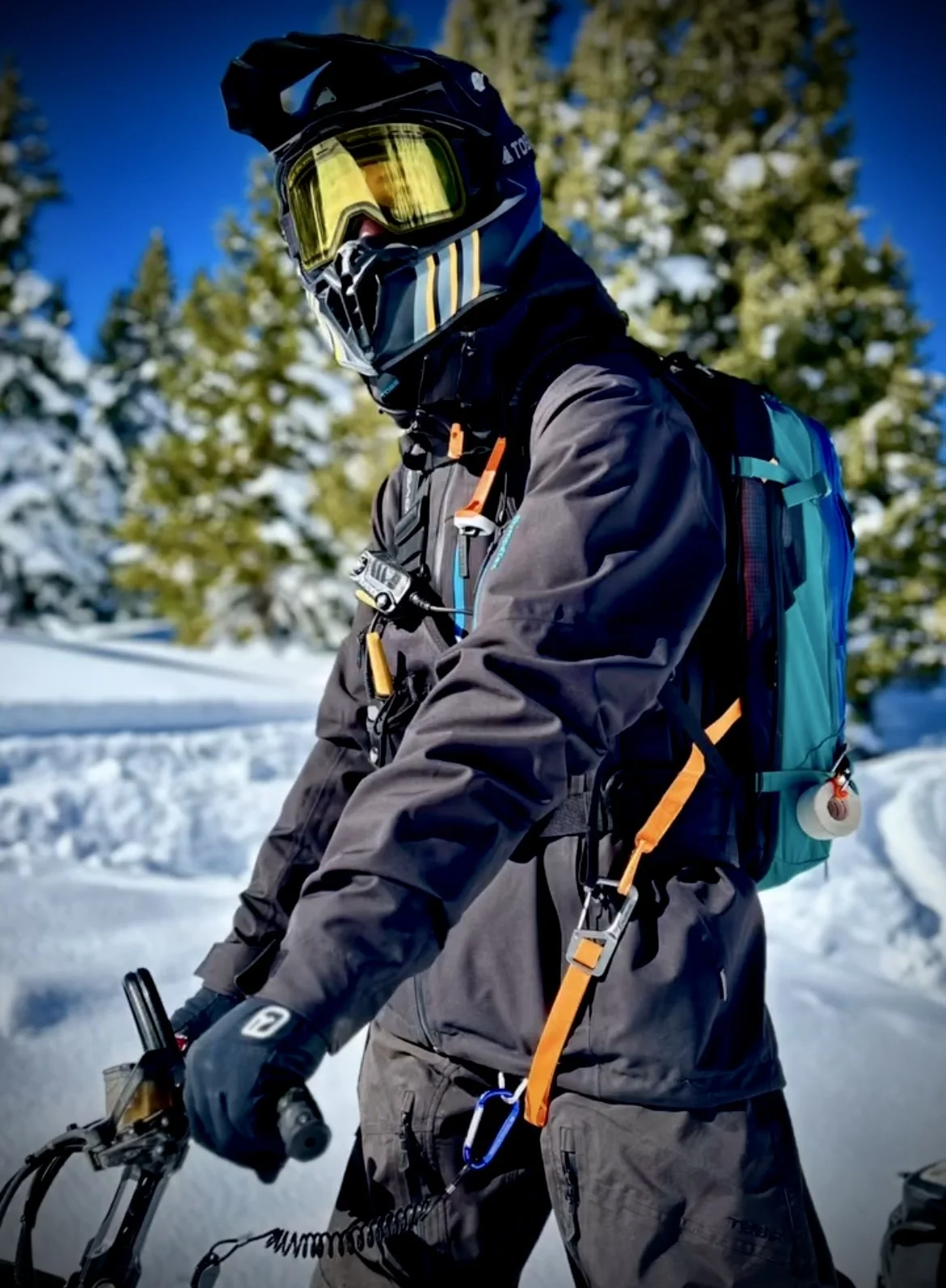
This winter didn’t look like the ones we dream about in Leadville. Snow totals came in low, storms were inconsistent, and conditions demanded more patience and longer travels to be able to ride. For our team at Powder Pro Lab, the 2025–2026 season still delivered something incredibly valuable: perspective. (And yes, a few surprisingly fun days if you knew where to find the stashes ;-)
Low-snow years have a way of bringing things back to the essentials. Without deep snow totals stacking up, focus naturally shifts to refining movement, decision-making, and adjusting terrain choices for a proper snowpack to ride. And that’s where some real learning can happen.
Defining what a “Good Season” means..
It’s easy to define a successful winter by snowfall totals, but this season provided a reminder that progression doesn’t depend on deep powder. In fact, leaner conditions often accelerate growth.
Running courses this year required adaptability. We adjusted venues, worked with variable surface conditions, and leaned into real-world scenarios. Instead of waiting for ideal setups, we embraced what was available—and that gave riders a broader, more realistic skill set. After all, backcountry conditions are rarely perfect.
Tougher conditions makes stronger riders..
Firm snow, thin coverage, and mixed layers compelled riders of all levels to be more intentional. Edge control mattered more. Line choice mattered more. Awareness mattered more.
In our rider clinics, we saw participants become more precise and deliberate with their snowmobiles. Without forgiving snow to minimize the impact of mistakes, technique improved quickly. The shallower snow depths guaranteed fewer “stucks,” which allowed more time and energy to be invested in the learning and coaching process. Riders learned how to move efficiently, manage speed, and stay balanced; skills that translate directly to safer and more confident travel in the backcountry.
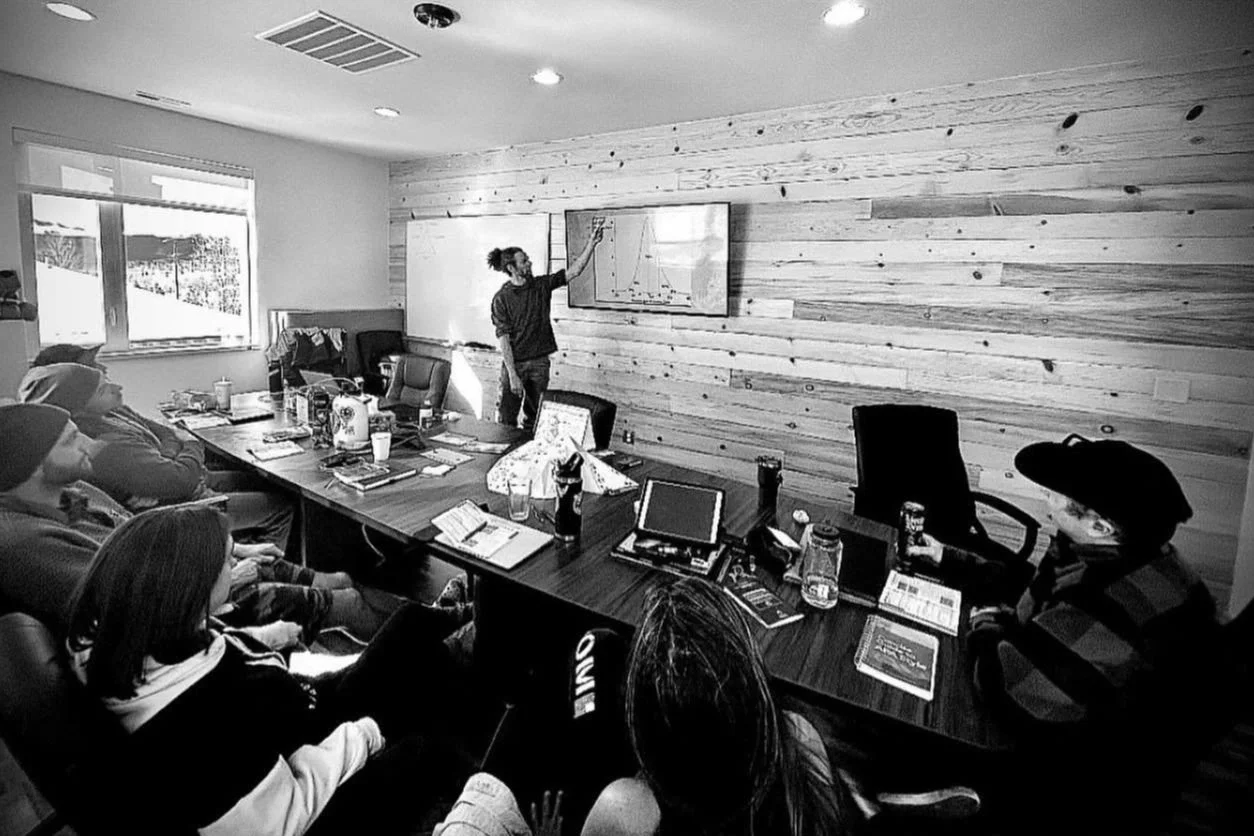
Avalanche education meets real world considerations..
Low snow doesn’t mean low risk–in many ways it increases complexity. This past season, persistent weak layers, shallow snowpacks and variable coverage created great learning opportunities for navigation, decision-making and group management strategies.
This season’s safety courses emphasized:
Snowpack assessment in thin and inconsistent conditions
Terrain management when coverage is limited
Decision-making when “sub-par” conditions replace “awesome” snow conditions
Students weren’t just learning concepts—they were applying them in nuanced and sometimes tricky environments. That kind of experience sticks and is best practiced in a managed learning environment with certified instructors.
“Think Before You Throttle” - If there is snow on the ground, there is enough to slide.
Keeping your skills sharp..
A lower snow year is not a lost year—it’s a technical year.
It’s a chance to:
Dial in fundamentals
Practice decision-making under real constraints
Build habits that carry into more epic seasons
When the snow does come back—and it always does—those who stayed engaged are ready to take full advantage. Let’s Go El Nino 26/27!
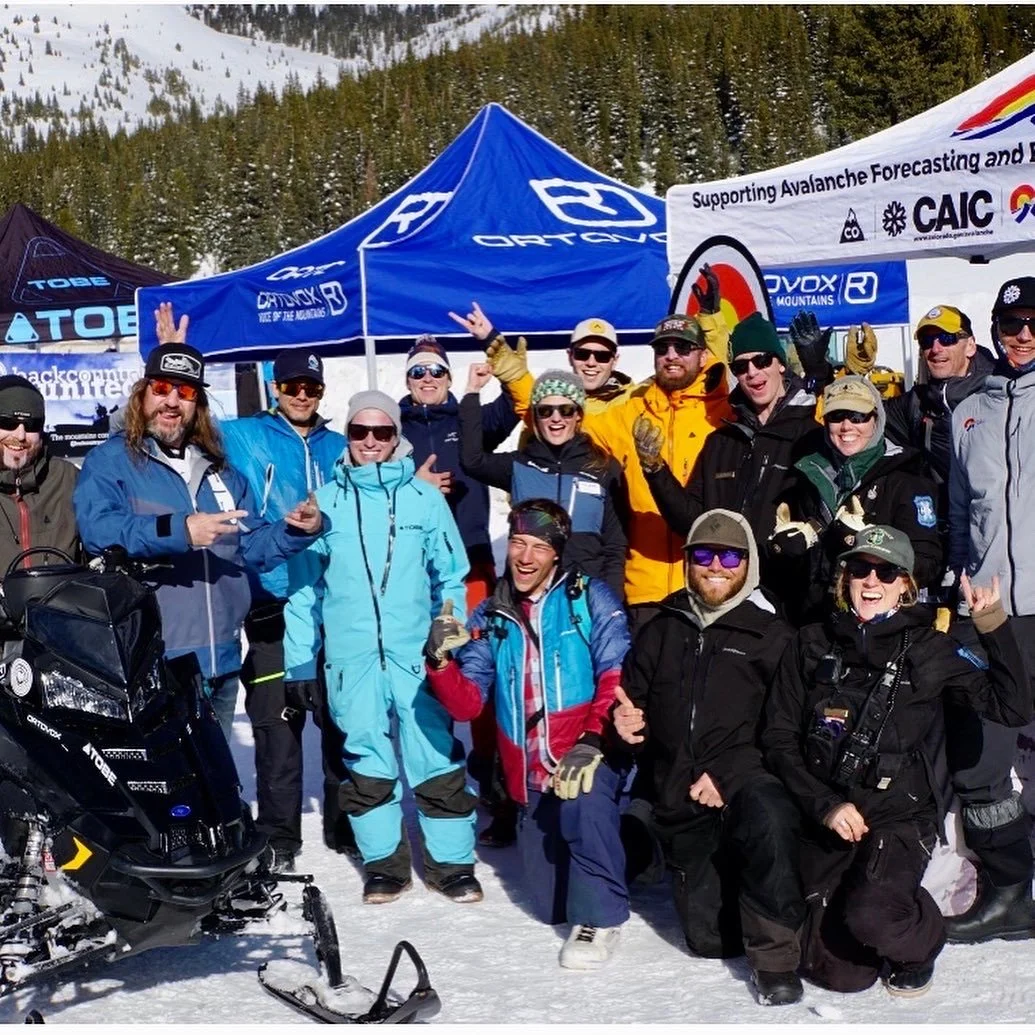
Community over conditions..
If there’s one thing this season made clear, it’s that getting out and staying positive matters more than waiting for perfection.
We saw groups of friends show up in spite of the forecast. We saw riders embrace early mornings, wind-scoured to sun-baked ridgelines, and patchy descents—not because it was epic, but because it was time outside together. And that’s the foundation of why we do this.
Sharing those days builds stronger partners, better communication, and deeper trust. These are arguably the most important safety tools we have. For those who committed to getting out without the promise of powder, well played. And for those who caught our “Storm Courses” we were stoked to see The Rockies still provide some deeper days this season!
The Takeaway
This season reminded us that progress isn’t dependent on conditions. It comes from showing up, staying curious, and putting in the work—even when the conditions are not ideal.
Powder days will always be welcome and appreciated. But the winters that challenge us? Those make us patient and provide insight into our commitment and goals for each season.
So whether it’s a low snow year or a season with record snow totals, the goal is the same: get out, keep learning, ride with friends, and never stop developing the skills that keep you safe in the mountains and sharing the stoke along the way.
Enjoy your summer adventures. We’ll see you out there as soon as the snow flies next season!
Top 5 Snowmobile Zones Around Leadville, Colorado: Trails, Tips, and Terrain to Explore This Winter
Why Leadville Became Home for Powder Pro Lab
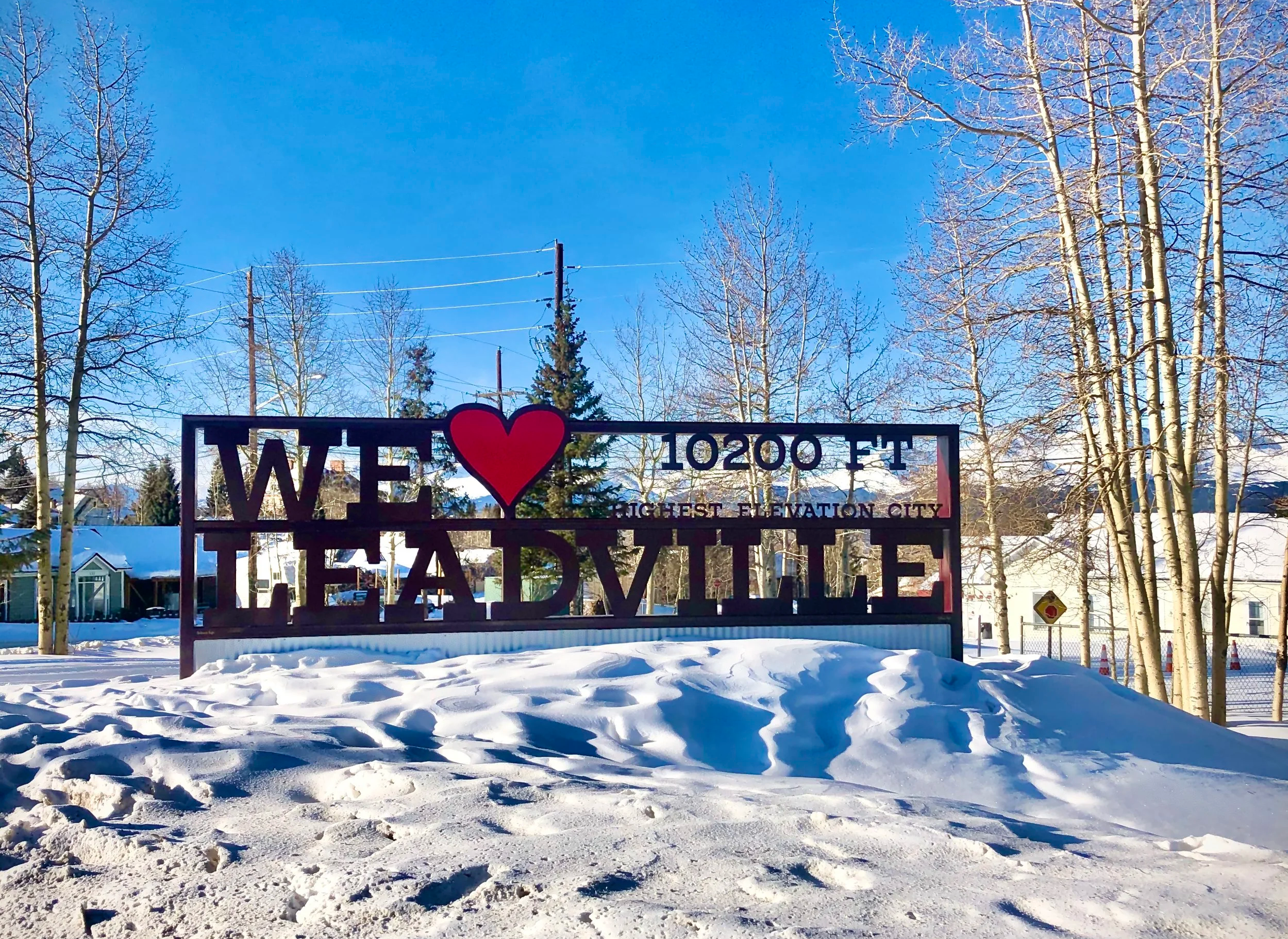
When I first started dreaming about opening an avalanche education center specifically for motorized backcountry users, I knew it had to be in Leadville. I’d just wrapped up my Avalanche Science degree at Colorado Mountain College, and the surrounding peaks were my classroom—an incredible landscape for studying snow, observing weather, and practicing professional decision-making in real terrain.
When the building at 115 Elm Street went up for sale, it definitely needed some love. But the location? Perfect. I could immediately picture it as a basecamp for sled-access touring, motorized avalanche education, and the kind of backcountry community I wanted to build. That vision is now Powder Pro Lab.
Why Leadville Is a Snowmobiler’s Dream
Here’s the thing: Leadville is one of Colorado’s best-kept secrets when it comes to snowmobiling. It sits in a sweet spot—high elevation, reliable snowpack, and surrounded by some of the state’s most dynamic terrain. Even better, it’s centrally located between several top-tier snowmobile zones, all within about an hour of downtown. Whether you’re exploring meadows, tree riding, or big-mountain objectives, you can access it all from right here.
What You’ll Get in This Guide
As the owner of Powder Pro Lab, I’ve spent years riding, teaching, and studying the mountains around Leadville. Our team lives and breathes both motorized backcountry travel and avalanche education, and we’ve helped countless riders level up their skills and confidence out here.
In this blog, I’m sharing my top 5 snowmobile zones around Leadville—including trail insights, terrain features, and tips to help you make the most of your winter missions.
And if you’re looking to explore a new zone with a professional or build stronger avalanche skills, reach out to Powder Pro Lab for private snowmobile skills clinics and AIARE motorized avalanche training this winter. We’d love to get you out there.
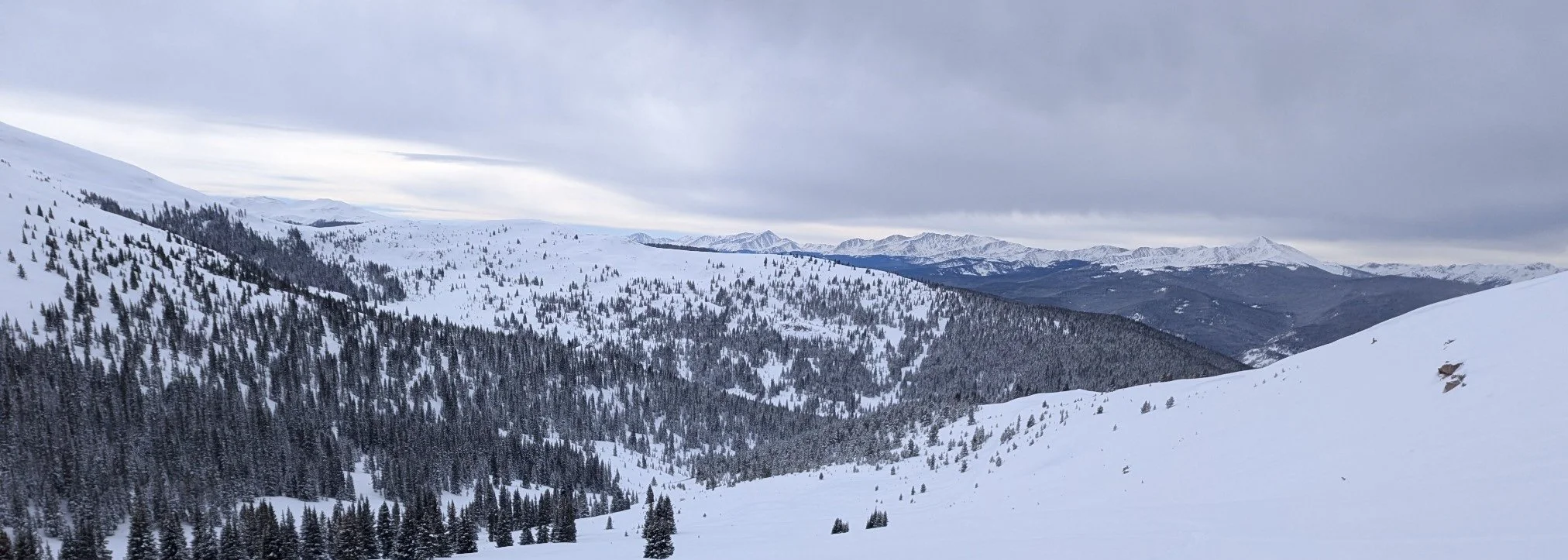
Zone 1: Camp Hale Area
In the 1940s, Camp Hale served as the training grounds for the U.S. Army’s 10th Mountain Division—an elite group of soldiers preparing for high-altitude mountain warfare during World War II. Today, designated as a National Monument (2022) and tucked into the White River National Forest, Camp Hale has transformed into one of the most versatile winter playgrounds for snowmobilers.
This zone offers a sprawling network of groomed trails that weave through the valley floor and connect seamlessly with the Vail Pass Recreation Area to the north and northwest. Whether you’re a brand-new rider or looking for a spot where your whole crew can spread out and have fun, Camp Hale delivers. You’ll find mellow meadows, long scenic trails, and wide-open high-alpine terrain, with easy access to more technical features for those wanting a challenge. It’s a classic Leadville-area zone—historic, scenic, and friendly to every ability level.
Zone 2: Chalk Creek
Chalk Creek sits along Highway 91 between Leadville and the top of Fremont Pass near the Climax Molybdenum Mine. It’s a great option for smaller groups looking for a quieter zone where you can progress your skills without crowds. On most weekdays, there’s a good chance you’ll have the place nearly to yourself.
From the main trailhead on Highway 91, the access road brings you north toward the east side of Chicago Ridge—the same ridge that overlooks Ski Cooper from the west. Once you’re in the zone, you can reach a couple of alpine basins that offer a nice blend of terrain: easy to advanced tree riding, soft rolling ridges, and a few complex features both at treeline and higher elevations. It’s a straightforward in-and-out zone, which makes it ideal for riders working on fundamentals before stepping into bigger missions later in the season.
Chalk Creek is also one of the zones where Powder Pro Lab hosts snowmobile skills clinics, especially for riders looking to fine-tune their movements in low- to moderate-angle terrain before leveling up. Its quiet feel, manageable terrain, and easy access make it a great training ground for building strong foundational skills.
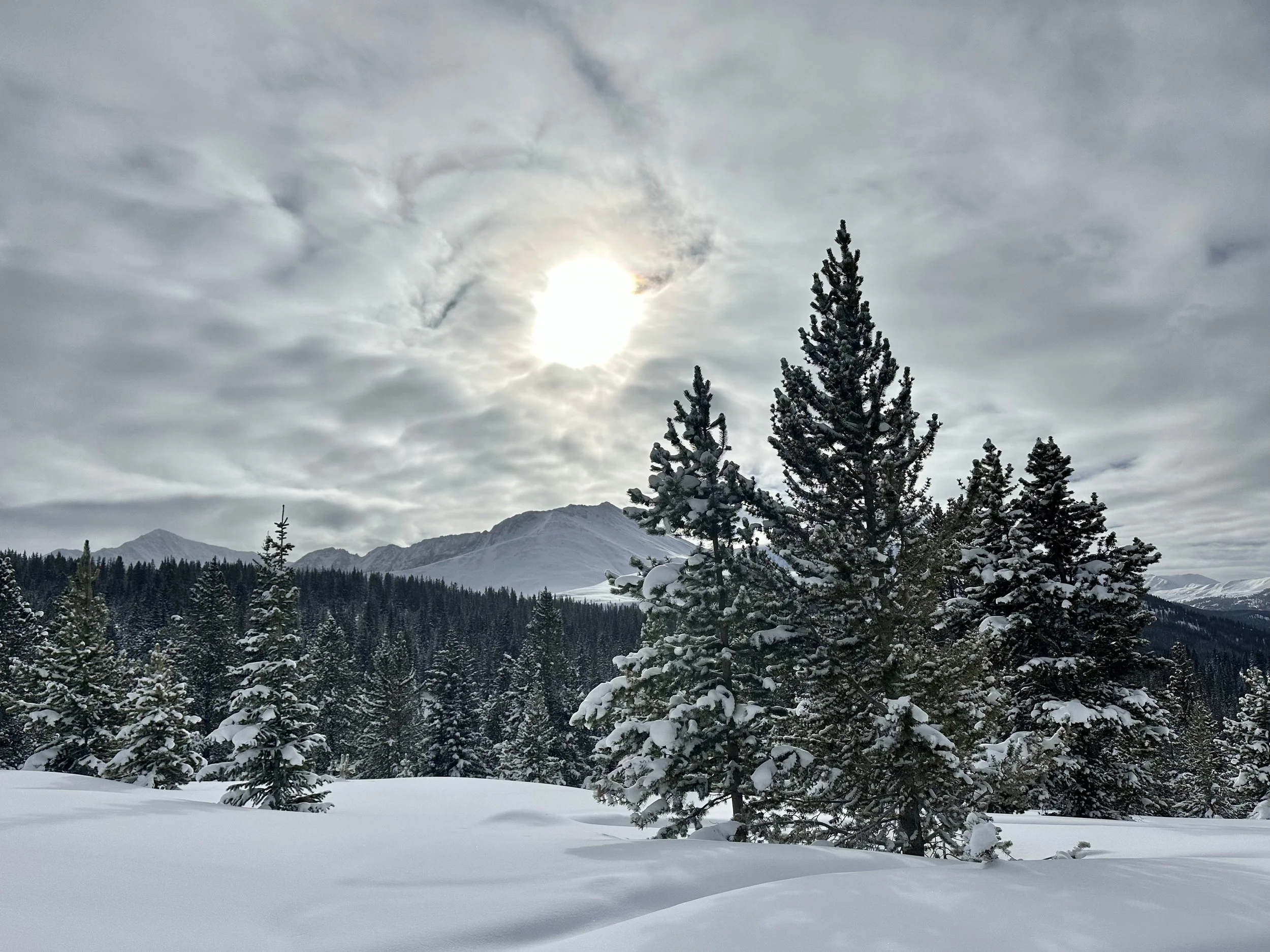
And for a bit of bonus history, this zone is also home to the remnants of the Climax Solar Observatory, which housed North America’s first coronagraph—a specialized telescope used to study the sun’s corona.
Zone 3: Mt. Massive/ Hagerman Pass
The Mt. Massive and Hagerman Pass zone is one of my go-to areas for high-elevation snowmobiling near Leadville. From the trailhead, you can ride up the north side of Mount Massive—Colorado’s second-highest peak—and climb your way toward Hagerman Pass. Once you crest the pass and drop onto the western slope, the terrain opens up into spacious powder bowls that are a blast to explore on a good snow cycle.
Closer to Turquoise Lake, the area can get busy, especially on weekends. But if you push a little farther beyond the typical stopping points, you’ll break free from the crowds and find yourself with more trails, more terrain, and far fewer people.
Another great option in this zone is heading north toward Galena Peak on the east side of the Divide. With a solid team, this area can deliver a full day of riding that’s both playful and engaging—enough spice to keep things interesting without stepping into overly complex terrain. It’s one of those zones that rewards curiosity and good group management, and it never seems to disappoint.
Zone 4: Cottonwood Pass
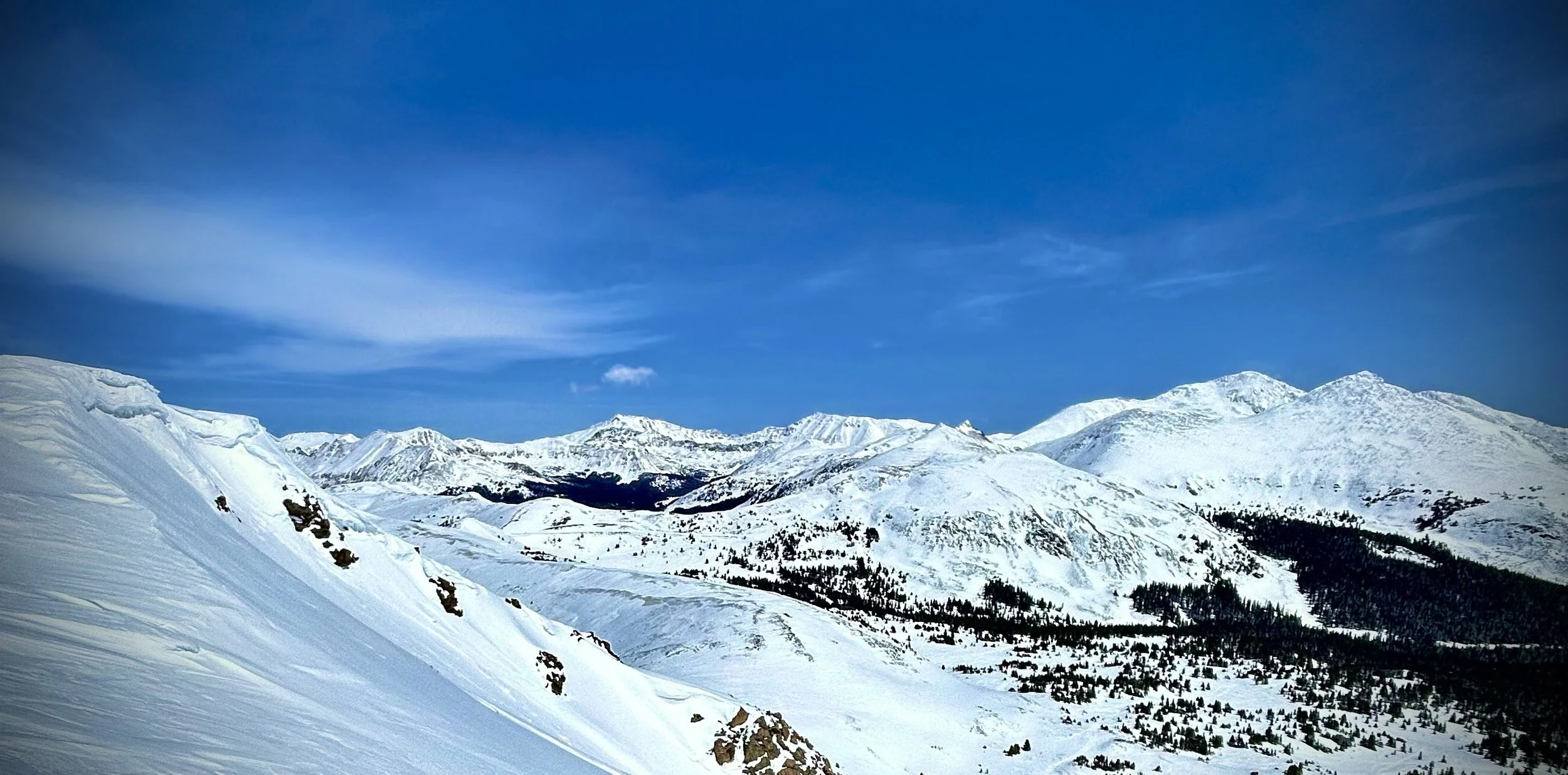
Just south of Leadville outside the town of Buena Vista is Cottonwood Pass, a snowmobile zone fit for the entire crew! Right from the start, the experience is smooth—excellent parking, a bathroom at the Denny Creek Trailhead, and Cottonwood Hot Springs just down the road if you’re the type who likes a little aprés soak after a big day out.
This area features an expansive groomed trail system that winds through forested terrain and climbs into wide-open alpine zones. The network stretches all the way to Taylor Park, crossing up and over Cottonwood Pass itself. Whether you're cruising mellow trails or breaking off to explore backside basins, the navigation here is straightforward—especially when you know where the access points are.
The beauty of Cottonwood Pass is how well it caters to every ability level. You can spend the day weaving through the trees, poking into alpine bowls, or—if you’re trained, confident, and riding with a strong team—stepping up to bigger lines and chute features. It’s a choose-your-own-adventure kind of zone.
Cottonwood Pass is also one of Powder Pro Lab’s favorite permitted areas for AIARE avalanche courses and backcountry snowmobile skills clinics. The combination of reliable parking, diverse terrain, and easy access to teachable features makes it a perfect classroom for riders looking to build both confidence and competence in the backcountry.
Zone 5: Independence Pass
Independence Pass is true big-mountain terrain—a zone that demands respect and isn’t the right choice for beginners. Nestled between Twin Lakes and Aspen, the pass is a paved highway in summer and fall, but once winter arrives, it transforms into a steep, high-alpine snowmobile route with access to some seriously impressive terrain.
Zones like Grizzly Gulch and the area north toward Champion Mill offer the kind of dramatic, wide-open features that attract strong, experienced teams looking for a real adventure. This is the type of terrain where planning, communication, and group management matter just as much as riding ability.
Getting up into the alpine is the whole mission here—and once you're there, the options open up fast. But because the terrain is complex and consequential, it’s incredibly helpful to ride with someone who knows the zone well and understands how weather, snowpack, and terrain interact in this part of the Sawatch.
If your team is solid and you’re craving a high-elevation challenge, Independence Pass delivers an unforgettable day in the mountains.
Terrain Breakdown: Which Leadville Snowmobile Zone Is Best for Your Riding Style?
Best for Beginners
Camp Hale – Gentle meadows, wide groomed trails, low-consequence alpine zones, and great visibility make this the most beginner-friendly area.
Cottonwood Pass – Easy-to-navigate trail system with plenty of mellow tree riding and simple pull-offs to practice fundamentals.
Best for Leveling Up Skills
Chalk Creek – Ideal for riders ready to step beyond basic trail cruising. Offers moderate tree riding, soft ridges, and accessible alpine basins without overwhelming terrain complexity.
Mt. Massive / Hagerman Pass – A great “intermediate-plus” zone with flowy bowls, ridge features, and light technical challenges once you push past the crowds.
Best for Technical Riding & Advanced Terrain
Independence Pass – High-consequence alpine terrain, steep features, and big-mountain exposure. Strong teams; advanced sled handling and excellent group management required.
Upper Hagerman & Galena Peak zones – For practiced riders who want more spice without stepping straight into the committing terrain of Independence Pass.
Best for Scenic Cruising
Camp Hale to Vail Pass Corridor – Long groomed routes with panoramic views and easy navigation.
Cottonwood Pass to Taylor Park Loop – A classic high-country cruise with stunning alpine vistas.
Best Zones for Mixed-Ability Groups
Cottonwood Pass – Offers something for every level within short distances. Easy to split the group and regroup safely.
Camp Hale – Expansive, low-complexity terrain with quick access to both simple and more challenging features.
Best for Avalanche Education & Skills Clinics
Cottonwood Pass (Powder Pro Lab permitted zone) – Reliable access, diverse terrain, and clear teachable features make this our top educational venue.
Chalk Creek – Simple in-and-out layout with terrain that helps riders build confidence as they progress.
Ready to Explore Leadville’s Best Snowmobile Terrain?
Each of these zones has its own personality, challenges, and rewards—and that’s what makes the Leadville area such an incredible home base for snowmobilers. Whether you’re building foundational skills, pushing into more advanced terrain, or scouting new zones to explore, there’s a perfect place here to match your objectives.
As someone who’s spent years riding, studying, and teaching in these mountains, I love helping riders get more out of their backcountry experience. At Powder Pro Lab, we offer a full lineup of AIARE motorized avalanche courses, private snowmobile skills clinics, and programs designed to help you ride farther and safer with confidence.
And if you don’t have your own sled—or you want to try something different—we offer snowmobile rentals for our courses, plus guided backcountry snowmobile rental options and “day-with-a-guide” experiences if you want expert support exploring a new zone. We make it easy to show up, learn, and get after it.
Come ride with us this winter—and let’s “send it” farther, smarter, and safer in the backcountry.
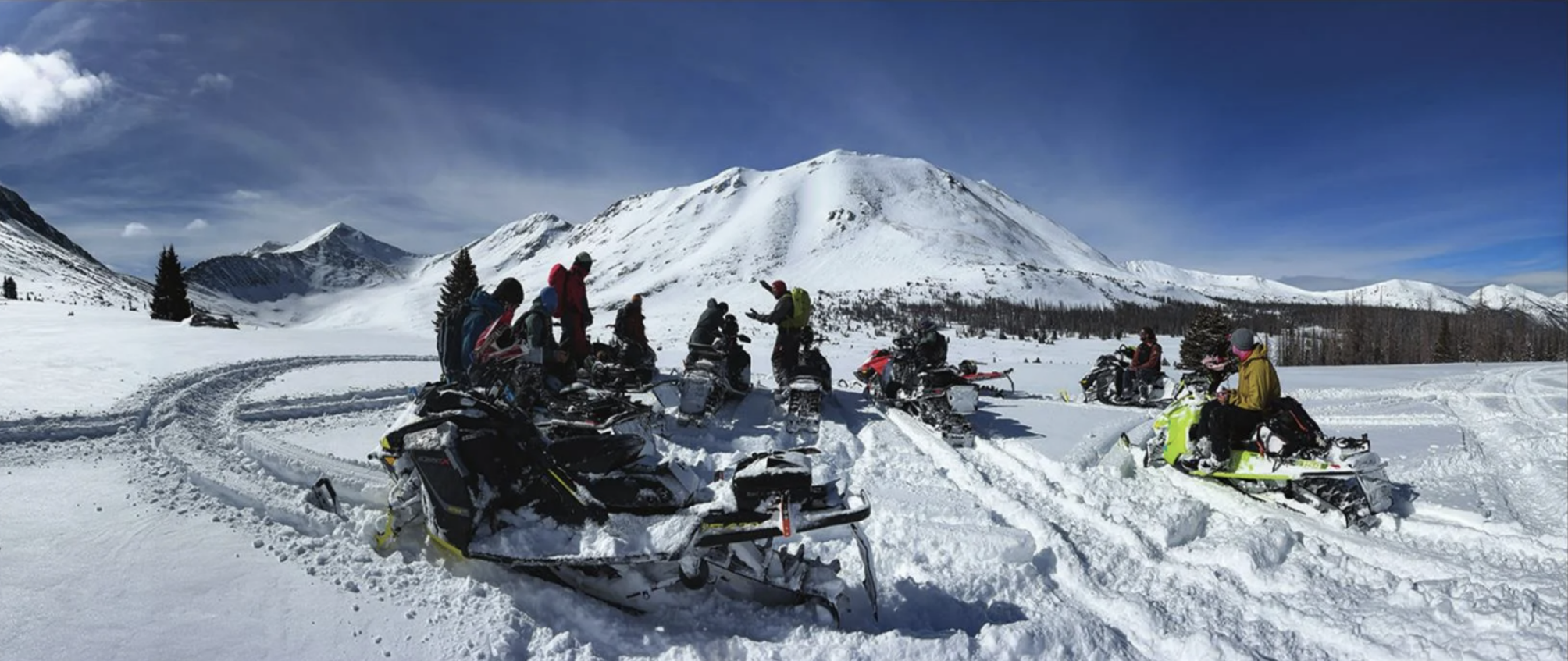
Powder Pro Lab offers avalanche education, backcountry programs at all levels
This story originally written by Ella Slade appeared in The Leadville Herald on November 29, 2025.
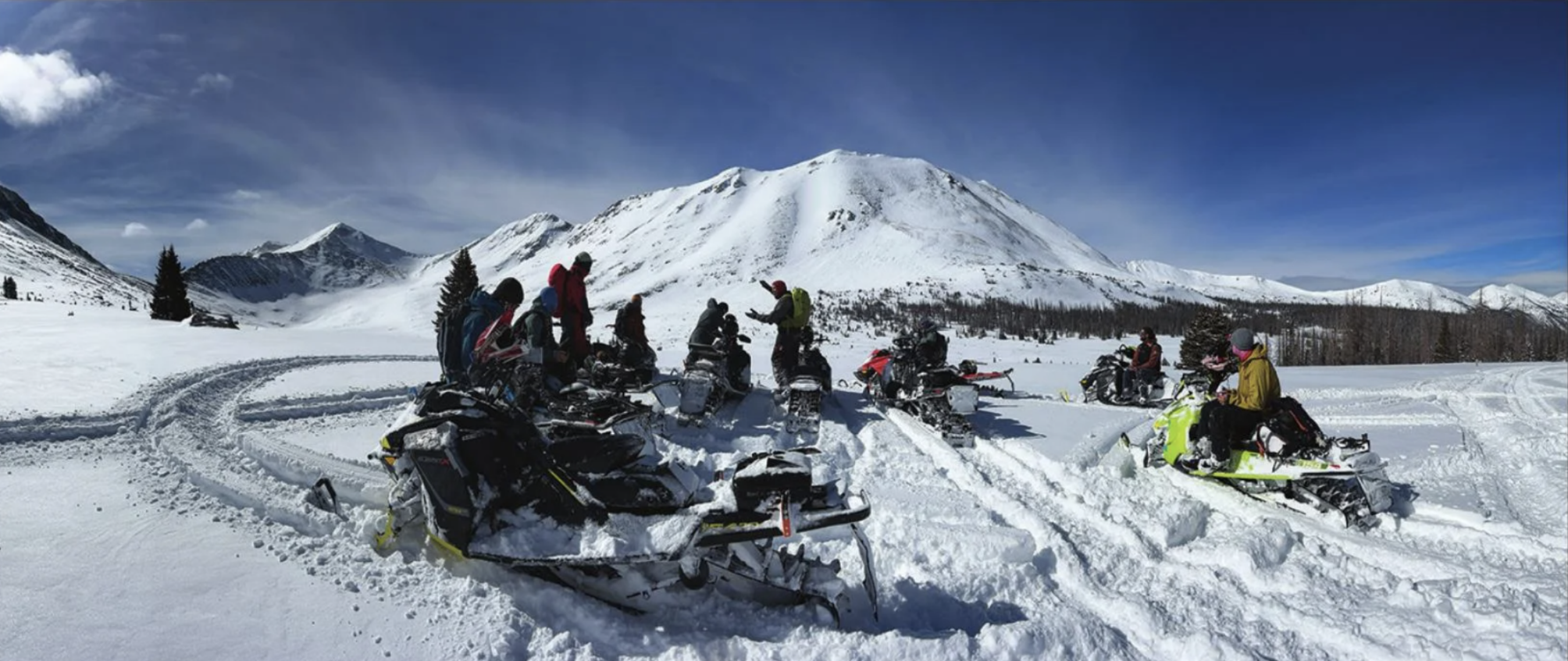
At Leadville outdoor education facility Powder Pro Lab, outdoor enthusiasts of all skill levels can engage in hands-on classroom instruction, backcountry education and guided experiential learning in the high Rockies of the San Isabel National Forest.
Powder Pro Lab was built on the mission of providing the outdoor community with training and equipment to recreate safely and responsibly in the backcountry and alpine terrain. For Keith Hadyk, who co-founded Powder Pro Lab alongside Jennifer Phillips, central Colorado proved to have plenty of winter motorized travelers, with no avalanche education or backcountry rider programs truly designed for motorized users or athletes.
Hadyk graduated from the avalanche science program at Colorado Mountain College in Leadville and said he immediately fell for its charm, a close match to his hometown in the Adirondacks.
“Having developed a professional career in the snow safety industry through deep threaded involvement and experience in emergency response, as a professional athlete and avalanche educator,” he said, “I reached a point that I felt passionate and ready to establish the mountain education center and team, Powder Pro Lab, and Cloud City became the cornerstone of this ability to share our mission.”
At Powder Pro, a beginner can expect to gain fundamental knowledge, along with basic rider skills in the full-day course. Courses are designed to develop confidence getting into and out of the backcountry, Hadyk said, while utilizing zones with groomed trail access directly to ideal off-trail learning areas.
More advanced participants have custom learning options with coached feedback from a local professional backcountry guide in challenging to complex terrain, and aim to make progress in technical riding and backcountry skills.
“We have a well-equipped team of professional coaches, athletes and certified instructors that are well-suited to meet the needs of mostly any client and or student,” he said. “Our permitted areas throughout Buena Vista and Leadville have terrain suited for every ability level from beginners to experts.”
The educational courses offered at Powder Pro are designed to empower snowmobilers and riders of all abilities to explore farther and safer in the winter backcountry.
“Getting people out there for the very first time always hits home for all of us here, and we cherish any experience we get to share with those expanding their adventures in nature for the first time,” Hadyk said.
An avalanche education course at the facility is delivered over three days with one full classroom day. The classroom focuses on student engagement, using a variety of learning methods like didactic presentations, group activities, discussions and exercises that develop skills such as forecasting and navigation. Students then spend the two field days learning group travel techniques, risk management strategies, terrain identification and snowpack assessment. Instructors provide demonstrations, field lesson plans and opportunities to practice and implement newly developed skills with coached feedback, all while experiencing the Colorado terrain.
“Students and participants complete our programs with greater confidence as riders and prepared team members for backcountry adventures,” he said.
Powder Pro Lab is an A3 recognized provider and certified AIARE motorized provider, offering premier avalanche safety training and backcountry education throughout central Colorado. The organization has also been recognized by the American Avalanche Association as an official avalanche education provider for recreational level certification courses that adhere to the national standards.
As in any successful organization that works in a high-risk environment, defining and upholding core principles is essential, Hadyk said, noting two of Powder Pro’s core principles, safety and progression.
Safety is the primary pillar of concern for how programs operate for the sake of clients, staff and the general public, Hadyk continued, along with the ability as professionals to exemplify the importance of safety and risk management in the backcountry culture.
“Progression allows us to implement industry best practices and add value to them throughout our companywide experience and high standards,” he added.
Hadyk said progression is essential for the team of certified and trained professionals at Powder Pro to provide ample experiential learning opportunities throughout the avalanche program and backcountry rider program.
“We have embedded these throughout our program standards, operational requirements, work culture and our outlook to establish a well-respected and trusted organization that provides a platform for those beginning their outdoor journey to those training to become professionals,” he said.
The team at Powder Pro brings a variety of experiences and backgrounds to the table, both as educators and as professionals.
“We are strong believers that a team thrives when each member has a standing and can be responsible to provide insight and direction in regards to a particular department or area of expertise,” Hadyk said. “This allows each member to excel, and provides an environment to take the lead when appropriate, thus leading to a dynamic work culture that keeps it professional, productive and fun.”
Read the entire story:
“Powder Pro Lab offers avalanche education, backcountry programs at all levels”
Pre-Season Snowmobile Checklist: Get Ready for the First Ride of Winter
Soon the snow will be stacking in the high country — are you and your sled ready? Before the first big ride, make sure your machine, gear, and mindset are dialed in. From mechanical maintenance and avalanche safety checks to preseason snowmobile training in Leadville, this guide covers everything you need to ride smoother, safer, and stronger all winter long.
The snow is stacking in the high country, your sled’s calling your name — but before you throttle up, make sure you’re ready to ride. Taking care of pre-season prep will help keep your machine running smoother during the winter season. That means more time riding, fewer breakdowns and safer adventures. These snowmobile maintenance tips will make sure your machine is ready for those deep days and get you stoked for the winter season ahead.
While you’re prepping your snowmobile for the upcoming winter, and getting stoked, consider taking a snowmobile skills training clinic in Colorado with Powder Pro Lab. Powder Pro Lab’s backcountry snowmobiling skills clinic will elevate your riding skills. In addition to customized workshops based on your group's individual skill level and needs, Powder Pro Lab offers 3 levels of backcountry snowmobile skills clinics in Colorado.
Moto 1: Introduction to Backcountry Snowmobiling
Moto 2: Movement & Technical Skills
Moto 3: Think Before You Throttle
Snowmobile Mechanical Maintenance: Dial in Your Machine
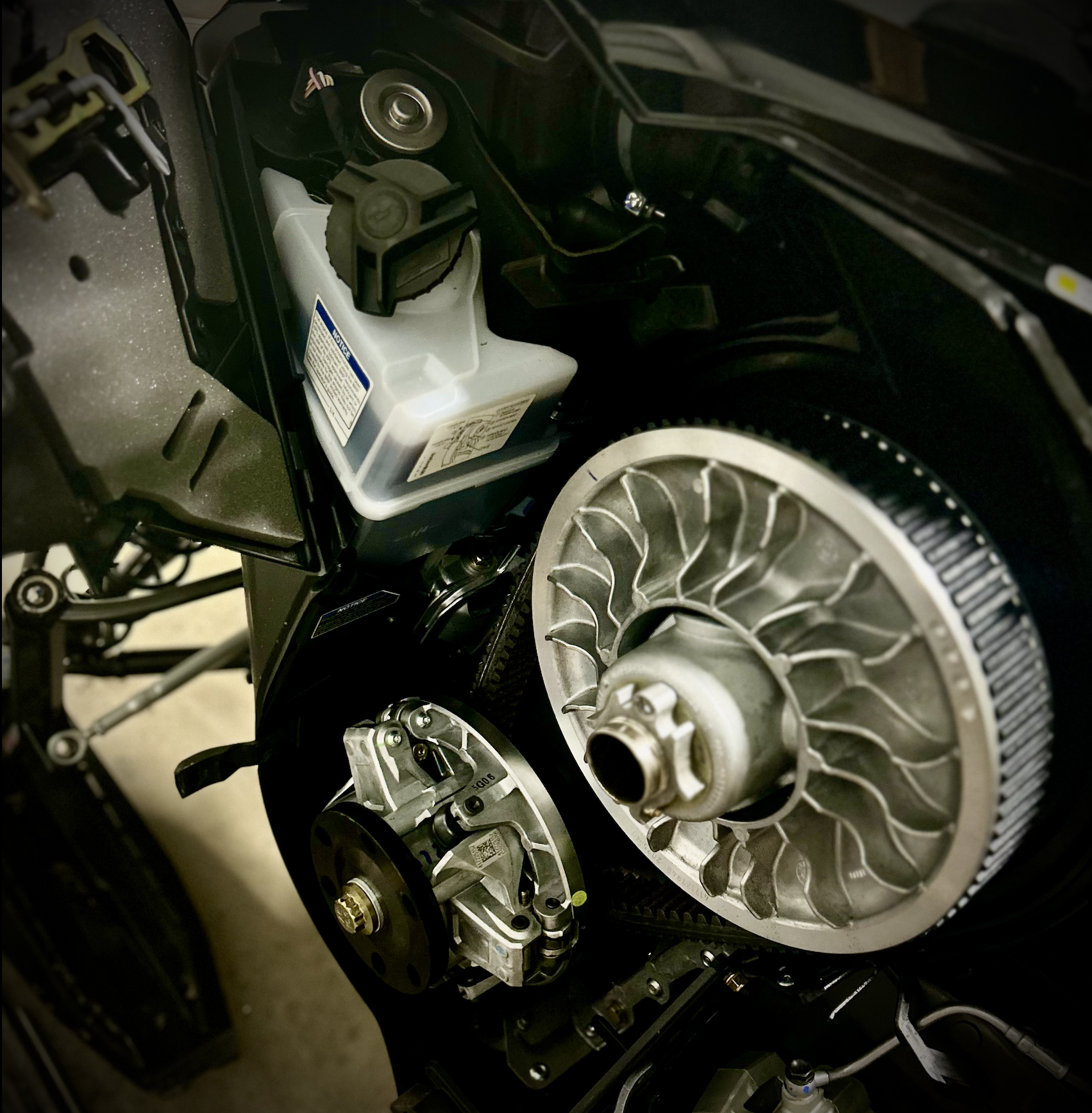
Before the first deep-snow mission of the season, take the time to dial in your sled. Start with a comprehensive inspection to identify any worn or aging parts that need replacement. Anticipating potential issues now means fewer surprises when you’re miles from the truck — and a faster fix if something does go wrong.
Use this essential pre-season snowmobile maintenance checklist to make sure your machine is ready to rip:
Fluids & Filters
Change chaincase oil
Check coolant levels
Fill with fresh fuel
Clean or replace air intake filters
Drive Belt
Inspect for cracks or glazing
Always carry a spare on every ride
Track & Suspension
Check for tears or missing lugs
Adjust track tension
Grease all suspension points
Brakes & Throttle
Test for smooth engagement and return
Ensure no sticking or lag
Battery & Electrical
Charge or replace the battery
Inspect wiring and connectors
Test lights and kill switch
Nuts & Bolts
Tighten everything — last season’s vibrations can loosen key fasteners
Skis & Carbides
Inspect for wear or bending
Replace worn carbides for precise control on hardpack
💡 Powder Pro Tip: Do a mini shake-down ride before your first big day. It’s easier to spot issues close to home than deep in the backcountry.
Backcountry Gear & Safety Setup: Protect Your Crew
Once your sled is dialed, it’s time to focus on what really keeps you and your crew safe — your backcountry gear. A thorough pre-season gear inspection ensures that when conditions get real, you’re ready to respond. Before you leave the trailhead, double-check that you’ve got everything you need and that it’s all working properly.

Beacon:
Power it on and test all functions, including send, search, and marking modes.
Replace batteries with fresh, high-quality alkalines (avoid rechargeables).
Check the harness and battery contacts for corrosion or wear.
Run a range test with your riding partners to confirm your beacon’s performance matches manufacturer specs.
Probe:
Assemble and lock the probe fully — it should deploy quickly and stay rigid under pressure.
Inspect markings for legibility and check the steel cable or cord for fraying or corrosion.
Verify connection points and push buttons work smoothly, with no sticking or stiffness.
Shovel:
Inspect the blade and handle for cracks, dents, or fatigue.
Check push buttons, grips, and telescoping sections for smooth operation.
Sharpen or file the shovel tip if it’s dull — a sharp blade cuts efficiently through debris or hard snow.
Avalanche Airbag & Radio
Test airbag deployment and repack according to manufacturer guidelines
Check radio, charge up or replace batteries. Check radio connections and wires. Test channels for group communication
Helmet & Outerwear
Inspect for cracks, worn insulation, and damaged zippers
Make sure your goggles and lenses are clear and ready for changing conditions
Bring a backup pair of goggles or extra lenses for lens fog or freeze
First Aid & Tools
Restock your first aid kit
Confirm your toolkit includes the essentials for trailside fixes
Communication Plan
Always share your route and return time with someone you trust
Consider using a satellite communicator or GPS beacon for added safety
💡 Powder Pro Tip: Enroll in a motorized avalanche course before the season kicks off. Snowmobile-specific avalanche training builds real-world rescue skills and transforms your gear into confidence — helping you and your crew ride smarter, safer, and stronger all winter long.
Pre-Season Avalanche Gear Check: Probe & Shovel Prep with Keith Hadyk | Powder Pro Lab
Terrain, Training & Early-Season Mindset
Early-season stoke comes with its own set of challenges. Shallow snowpack means rocks, stumps, and downed logs are lurking just below the surface — so keep your throttle hand in check and ride with awareness. This is the perfect time to reconnect with your sled, rebuild your skills, and dial in your backcountry mindset before the deep days arrive.
Start by reviewing the Colorado avalanche forecast and brushing up on route planning and terrain management. Early winter is when snowpack structure is most unpredictable — and even small slides can still have serious consequences.
If you’re looking to sharpen your confidence and control, sign up for a Colorado snowmobile training course. Powder Pro Lab’s Sled & Shred AIARE 1 courses and AIARE Motorized Avalanche Courses are ideal preseason refreshers that combine hands-on sled handling, rescue practice, and real-world avalanche education. You’ll build the awareness, decision-making, and technical riding skills needed to send it farther — and safer — all season long.
💡 Powder Pro Tip: Treat every early-season ride as both a training day and a test run. The more you practice now, the smoother your backcountry days will be when the snowpack fills in.
Send It Farther, Smarter, and Safer
Your sled’s tuned, your gear’s ready — now it’s time to get your skills dialed. The best riders know that confidence in the backcountry comes from more than horsepower — it comes from training, preparation, and experience.
Join Powder Pro Lab in Leadville, Colorado for hands-on snowmobile training and motorized avalanche courses designed to elevate your skills and awareness. Whether you’re brushing up on rescue techniques or pushing into new zones, our certified instructors will help you ride with purpose, precision, and confidence.
This season, make every ride count. Explore deeper, ride smarter, and send it farther — with Powder Pro Lab.

Essential Snowmobile Maintenance Tips for Colorado Summers

Keep Your Sled in Top Shape During the Off-Season
When the snow melts and the trails quiet down, your sled deserves some off-season care. Colorado’s short but intense summer is the perfect time to give your snowmobile the maintenance it needs to stay in peak condition for next winter’s adventures.
Proper summer snowmobile storage means more than just parking it in the garage — it’s about cleaning, protecting, and preserving every component to ensure performance and longevity.
1. Deep Clean Your Snowmobile
Start with a thorough cleaning to remove dirt, grime, and leftover salt.
Use a mild soap, water, and a soft brush or pressure washer.
Clean all components: engine, track, clutch, and body panels.
Dry completely to prevent corrosion and rust.
Powder Pro Tip: Pay close attention to your clutch area — fine dust and grime can shorten belt life and affect performance next season.
2. Inspect and Repair Before Storage
Before stashing your sled away:
Inspect for damage: Check skis, shocks, and body panels.
Examine your track: Look for tears or missing lugs and release track tension for proper preservation.
Check key systems: Chaincase oil, spark plugs, and wiring.
If needed, refer to your owner’s manual or schedule a preseason tune-up with a local Colorado snowmobile service shop.
3. Protect Your Engine and Fuel System
Keep your engine healthy through the summer months:
Add fuel stabilizer to prevent fuel degradation.
Fog the engine to protect internal parts from moisture and corrosion.
Remove and store your battery in a cool, dry place. Use a trickle charger to maintain charge levels.
Expert Insight from Keith Hadyk, Founder of Powder Pro Lab:
“Even though we’re all ready to swap sleds for mountain bikes or dirt bikes when the snow melts, a little summer maintenance goes a long way. Taking the time to clean, fog, and elevate your sled now means fewer issues when it’s go-time in the fall.”
4. Store It Right: Indoor or Outdoor
Indoor Storage:
Elevate skis and track off the ground using a sled stand or blocks.
Cover with a breathable snowmobile cover to prevent dust and condensation.
Outdoor Storage:
Place a tarp or plywood base to avoid ground moisture.
Cover the machine with a breathable, UV-resistant cover.
Block openings (exhaust, intakes) with rags to prevent rodent damage.
5. Lubricate and Secure
Before covering your sled for the summer:
Lubricate suspension, throttle, and steering components.
Double-check that all bolts and fasteners are tight.
Store in a dry, shaded area if possible.
Final Thoughts: Summer Prep for Winter Stoke
When autumn returns to Colorado’s Rocky Mountains, you’ll be glad you took the time to prep your machine. A little off-season attention ensures your snowmobile performs at its best — so you can focus on exploring deeper and sending it further when the snow flies again.
Whether you’re a weekend rider or a backcountry adventurer, keeping your sled in top condition is key to a safe and fun winter. Once the snow starts flying and you’re getting hyped for another winter of riding, kick off the season right with Powder Pro Lab.
Sign up for a Motorized Backcountry Skills Clinic or AIARE Level 1 Avalanche Course to refresh your knowledge, build confidence, and fine-tune your decision-making before heading into the mountains. Our certified instructors combine professional training with real-world backcountry experience to help you ride smarter, safer, and stronger this season.

Choosing the Best Avalanche Safety Course in Colorado: A Guide for Every Skill Level
From Beginner to Expert: Find the Best Avalanche Training in Colorado for Your Experience Level
Last season, the Colorado Avalanche Information Center reported 973 human-triggered avalanches in Colorado—81 of the avalanches were triggered by snowmobiles. Since 1950, avalanches have claimed more lives in Colorado than any other natural hazard, making the state the deadliest in the nation for avalanche fatalities. The combination of the state’s unique climate and notoriously unstable snowpack creates some of the most hazardous—and heavily explored—backcountry terrain in the country.
Colorado's vast backcountry terrain beckons adventurers of all kinds. Whether you're exploring avalanche-prone areas on a snowmobile, skis, or snowboard, having the proper avalanche safety knowledge is essential. With several types of avalanche courses available in Colorado, it’s important to choose the right one for your experience and skill level. However, figuring out where to begin can feel overwhelming.
In this blog, we’ll highlight the importance of avalanche training for skiers, riders, and snowmobilers in Colorado. We’ll also break down the various options for avalanche education and backcountry training, helping you find the best fit for your knowledge and ability.

From Beginner to Expert: Find the Best Avalanche Training in Colorado for Your Experience Level
Last season, the Colorado Avalanche Information Center reported 988 human-triggered avalanches in Colorado (Oct 1, 2024 - May 31, 2025)—92 of the avalanches were triggered by snowmobiles. Since 1950, avalanches have claimed more lives in Colorado than any other natural hazard, making the state the deadliest in the nation for avalanche fatalities. The combination of the state’s unique climate and notoriously unstable snowpack creates some of the most hazardous—and heavily explored—backcountry terrain in the country.
Colorado's vast backcountry terrain beckons adventurers of all kinds. Whether you're exploring avalanche-prone areas on a snowmobile, skis, or snowboard, having the proper avalanche safety knowledge is essential. With several types of avalanche courses available in Colorado, it’s important to choose the right one for your experience and skill level. However, figuring out where to begin can feel overwhelming.
In this blog, we’ll highlight the importance of avalanche training for skiers, riders, and snowmobilers in Colorado. We’ll also break down the various options for avalanche education and backcountry training, helping you find the best fit for your knowledge and ability.
Understanding Avalanche Safety Training
When it comes to avalanche training in Colorado, the American Institute for Avalanche Research and Education (AIARE) avalanche safety curriculum is top-notch. The AIARE certification and curriculum provide a solid framework for students to apply in every backcountry experience and use the information to make better decisions in avalanche terrain.
Most beginner avalanche courses provide information and education about snow science and avalanche behavior. This is essential knowledge that every backcountry adventurer must understand first, but it alone is not enough to keep you safe in avalanche terrain. In addition to the basics, the best avalanche safety training courses teach you how to apply the information in the field. The methodology behind avalanche education and applicable safety information in the AIARE curriculum is why we believe AIARE offers the best avalanche safety education in the industry.
Powder Pro Lab requires all instructors to have standardized prerequisites and certification to operate as a guide, including AIARE instructor training. Our Colorado avalanche training guides are equipped with the extensive knowledge, experience, and skills to provide every Powder Pro Lab student with proper backcountry training and education.

Motorized AIARE Avalanche Training: Snowmobile-Specific Avalanche Courses in Colorado
It’s important to choose an avalanche training course that provides you with the most functional and relevant experience to your preferred mode of backcountry recreation. Snowmobilers in Colorado should enroll in motorized-specific avalanche education courses, learning how their machines impact the snow differently than human-powered backcountry travelers.
Specializing in motorized avalanche education, Powder Pro Lab is one of the few motorized-specific AIARE education providers in Colorado. There are more than 30 AIARE education providers in Colorado, mostly offering curriculums specific to backcountry skiers and splitboarders. Of those 30 AIARE providers, there are only 5 certified motorized AIARE avalanche education providers in Colorado. Powder Pro Lab’s motorized AIARE courses are ideal for snowmobilers of all skills and experience levels.
Assess Your Skill Level: Where Are You in Your Backcountry Journey?
AIARE Level 1 Beginner Avalanche Course
Anyone new to backcountry skiing, backcountry snowboarding, or snowmobiling should start their avalanche safety training with an AIARE Level 1 Colorado course. The AIARE Level 1 course provides the essential knowledge necessary to understand avalanche terrain, while also teaching the framework that can be applied to every backcountry experience. Backcountry beginners will learn the basics of understanding avalanche terrain, discover decision-making protocols and best practices, as well as avalanche rescue techniques.
Powder Pro Lab offers several AIARE Level 1 training courses in Colorado each month, and can also make arrangements for private group AIARE 1 courses. Additionally, Powder Pro Lab offers an AIARE 1 Course option with a guided snowmobile rental. This AIARE Level 1 course package includes the use of one Ski-Doo Summit or Polaris RMK snowmobile for the two field days with provided transportation of the machines.
AIARE 1 + Avalanche Rescue Intermediate Avalanche Training
If you have some background knowledge and experience with avalanche education, we recommend an intermediate avalanche training course to advance your skills and understanding. Even if you’ve taken an AIARE Level 1 course before, taking a refresher course offers many benefits. Especially if it’s been a few years since you’ve taken an avalanche course, or you took the AIARE Level 1 course in a different part of the country, an AIARE 1 refresher course helps to reinforce foundational knowledge while gaining additional practice and confidence.
In addition to an AIARE Level 1 course, we recommend taking an Avalanche Companion Rescue Course to gain more practical avalanche rescue experience. Avalanche Rescue is a one-day training course ideal for all skill levels. First-timers can learn how to use an avalanche transceiver, while experienced backcountry travelers can get more rescue practice to keep their skills sharp. The Avalanche Companion Rescue course is a prerequisite for the AIARE Level 2 course.
AIARE Level 2 Advanced Avalanche Safety Course
Experienced backcountry adventurers aiming to lead groups personally should consider taking an AIARE Level 2 course. The AIARE Recreational Level 2 course is designed to provide students with new tools and techniques that target uncertainty while building confidence and skills. The AIARE 2 curriculum builds upon the concepts learned in AIARE 1, including risk management and subsequent backcountry experiences. AIARE Level 2 is a three-day course available for experienced backcountry travelers who have completed both AIARE 1 and Avalanche Rescue.

Avalanche Training for Sled Skiers: Snowmobilers and Backcountry Skiers
In addition to snowmobile avalanche safety training, Powder Pro Lab is also certified to offer backcountry ski and splitboard AIARE courses in Colorado. This combination of AIARE instructor certifications for snowmobiles and backcountry skiing allows Powder Pro Lab to offer a unique AIARE Level 1 for Hybrid Access, specifically designed for backcountry skiers and splitboarders who use snowmobiles to access coveted terrain.
This Sled and Shred course offers a unique hybrid model that combines motorized (snowmobile) and touring access, providing a richer learning experience for all types of backcountry travelers. By covering key insights tailored to both motorized and human-powered travel methods, the course enhances discussions and practical exercises focused on planning and navigating avalanche terrain. Whether you’re using a snowmobile or human-powered equipment, this approach ensures a comprehensive understanding of how to move safely through backcountry terrain in a group setting.
If you’re curious about snowmobile-assisted backcountry skiing in Colorado, check out our recent blog. It includes where to go, what to know and more information about hybrid access avalanche education in Colorado. Hybrid AIARE courses are designed primarily for motorized and hybrid access users. Contact Powder Pro Lab to customize a private course tailored to your mode of travel, whether ski/splitboard or snowmobile.
Factors to Consider for Selecting an Avalanche Class in Colorado
Should I Take an Avalanche Course Near Me?
When selecting an avalanche course in Colorado, location and access are key factors to consider. While it’s convenient to look for courses near your home, it may be beneficial to travel to areas with more expansive backcountry terrain, such as central Colorado. This region offers diverse and challenging landscapes for both snowmobiles and backcountry skiers. Powder Pro Lab operates under a U.S. Forest Service Special Use Permit in the San Isabel National Forest, with courses held near Leadville, CO, and Buena Vista, CO. Our classes take place on popular backcountry routes, including Cottonwood Pass, Tin Cup Pass, and the Chalk Creek Area, providing the opportunity to explore new zones while receiving expert instruction in avalanche safety. Whether you’re new to the area or experienced, our courses will introduce you to terrain you may not have explored before, making it a rewarding experience.
The Importance of Mode of Travel in Avalanche Safety Education
Another key factor to consider when choosing an avalanche course is your mode of travel. As mentioned earlier in this blog, selecting a course tailored to your specific backcountry recreation is crucial for maximizing your learning experience. Snowmobile avalanche training, for example, is designed specifically for motorized users, addressing how snowmobile behavior influences avalanche terrain and decision-making. On the other hand, avalanche training for backcountry skiers and splitboarders focuses on human-powered travel and techniques for navigating avalanche-prone areas on foot or with skis. Just as mountain biking differs from dirt biking, motorized avalanche education is far more relevant for snowmobilers than taking a course focused on ski touring. Choosing a course that aligns with your preferred mode of travel ensures you gain the most relevant skills for safer adventures.
Expert-Led, Hybrid Avalanche Training for Snowmobilers in Central Colorado
When choosing an avalanche course, location, mode of travel, and course structure are crucial factors. Powder Pro Lab, located in Leadville, Colorado, offers ideal access for those exploring central Colorado’s backcountry, with specialized snowmobile avalanche safety training and hybrid courses that combine online learning with hands-on field exercises. The courses are AIARE-certified, ensuring the highest standards and credibility for avalanche education.
By choosing Powder Pro Lab, you gain access to experienced guides and small class sizes for more personalized instruction. Whether you're snowmobiling or skiing, Powder Pro Lab's unique "sled and shred" offerings provide a tailored experience for both motorized and human-powered adventurers. Ready to start your avalanche safety training? Explore our AIARE-certified courses and enroll today to ensure a safe and rewarding backcountry adventure.

Snowmobile-Assisted Backcountry Skiing in Colorado: Where to Go and What to Know
Snowmobile skiing in Colorado, also known as “sled skiing,” is an exhilarating way to access remote backcountry terrain. By combining the power of motorized snowmobiles with the thrill of skiing untouched powder, you can explore areas that would otherwise remain inaccessible. Whether you’re seeking new zones for snowmobile skiing in Colorado or planning your first snowmobile-access skiing trip, this hybrid adventure opens the door to a whole new level of backcountry exploration.
Hybrid Snowmobile Access: Exploring Colorado’s Backcountry Skiing and Snowmobiling Zones
Snowmobile skiing in Colorado, also known as “sled skiing,” is an exhilarating way to access remote backcountry terrain. By combining the power of motorized snowmobiles with the thrill of skiing untouched powder, you can explore areas that would otherwise remain inaccessible. Whether you’re seeking new zones for snowmobile skiing in Colorado or planning your first snowmobile-access skiing trip, this hybrid adventure opens the door to a whole new level of backcountry exploration.
Before diving into the details of top Colorado snowmobile skiing destinations and tips for snowmobile-assisted backcountry skiing in Colorado, safety and preparation must take center stage. Successful backcountry trips require a solid understanding of avalanche safety, terrain selection within your skill level, proper gear, and up-to-date knowledge of current avalanche conditions. Powder Pro Lab strongly recommends that all winter backcountry travelers enroll in an AIARE avalanche course to gain essential skills for navigating Colorado’s avalanche-prone terrain.
This guide will help you prepare for your snowmobile-access adventure, highlighting key considerations for safety, gear, and planning. Whether you're heading to Summit County, exploring snowmobile-access ski terrain near Breckenridge, or tackling backcountry skiing zones near Vail, the right knowledge and preparation can help you make the most of your time in the backcountry.
What is Hybrid Snowmobile-Accessed Skiing?
Hybrid-accessed snowmobile skiing, often called "sled skiing," is a term that refers to when backcountry users combine snowmobiling with traditional ski touring. Snowmobiles provide convenient access to remote terrain quickly, allowing backcountry skiers and snowboarders to reach areas that would take hours—or even days—to reach on foot. This hybrid “sled and shred” approach combines the efficiency of motorized travel with the freedom and thrill of skiing untouched powder.
Snowmobile skiing is particularly well-suited for big mountain terrain like wide-open bowls, glades, and steep tree runs. Snowmobiles make it easier to navigate these zones, offering opportunities to explore untracked snow in Colorado’s vast backcountry. Whether you're looking to lap a favorite slope or venture deeper into rugged mountain areas, snowmobile-assisted skiing provides a unique way to experience the backcountry while maximizing your time on the slopes.
Top Colorado Backcountry Zones for Snowmobile-Assisted Skiing
Colorado is home to some of the best snowmobile-assisted backcountry skiing zones in the country, offering a variety of terrain for most skill levels. From powder-filled meadows to high alpine bowls, these areas provide unique opportunities to combine snowmobiling and backcountry skiing.
When planning your trip, it’s important to consider the terrain’s complexity. Backcountry zones are categorized as simple, challenging, or complex based on slope angle, avalanche risk, and exposure to hazards. For detailed maps and motorized access points, visit the U.S. Forest Service website. Additionally, always check the Colorado Avalanche Information Center (CAIC) for daily avalanche forecasts and guidance on what terrain to avoid to ensure a safe and enjoyable experience.
Front Range: Jones Pass
Jones Pass features two main bowls with long alpine and gladed tree runs. This popular snowmobile spot is easily accessible from the Front Range and offers a mix of open slopes and tree skiing, making it ideal for both advanced skiers and riders, as well as those looking to refine their skills.
Summit/Eagle County: Vail Pass
Vail Pass boasts an expansive trail system that caters to both snowmobilers and backcountry skiers. With multiple zones to explore, including rolling meadows and steep descents, it’s a versatile destination for hybrid snowmobile-accessed skiing.
Buena Vista: Cottonwood Pass
Cottonwood Pass provides groomed trail access to upper bowls and tree runs, making it a great destination for both intermediate and advanced skiers. The scenic views of the Collegiate Peaks add to the allure of this backcountry zone.
Steamboat Springs: Buffalo Pass
Known for its legendary snowfall, Buffalo Pass near Steamboat Springs offers powder-filled meadows and exceptional tree skiing. This area is a favorite for those seeking deep snow and a variety of terrain options.
Aspen: Maroon Bells
The iconic Maroon Bells near Aspen offer groomed snowmobile trails leading to upper basins, where skiers can begin their touring adventures. This area combines stunning alpine scenery with a range of terrain options for hybrid skiing and snowmobiling.
How to Plan Your Snowmobile-Skiing Trip in Colorado
Planning a snowmobile-assisted skiing trip in Colorado requires thoughtful preparation to ensure both safety and enjoyment. From assembling the right gear to understanding avalanche safety and terrain selection, here’s what you need to know to make the most of your adventure:
Gear Checklist
Bringing the right gear is essential for a successful backcountry skiing and snowmobiling trip. Here’s a breakdown of the must-haves:
Clothing: Hard or softshell pants, synthetic base layers, insulated jacket, hardshell jacket, light gloves for uphill travel, warm gloves (x2), brimmed hat or visor, sunglasses, neck gaiter, or buff.
Skiing/Snowboarding Gear: Touring skis or splitboard, climbing skins, ski helmet, goggles.
Snowmobile Gear: A reliable snowmobile and a DOT-rated full-face helmet.
Safety Equipment: Avalanche beacon, shovel, probe, communication devices like a BCA backcountry radio and satellite messenger, and a first aid kit.

Avalanche Safety and Training
Avalanche safety is critical when venturing into Colorado’s backcountry. Enroll in an AIARE (American Institute for Avalanche Research and Education) course to learn how to identify avalanche terrain, assess conditions, and use safety equipment effectively. Always carry a beacon, shovel, and probe, and know how to use them. Before your trip, check the daily avalanche forecast provided by the Colorado Avalanche Information Center (CAIC) for real-time updates on snowpack conditions and hazards.
Powder Pro Lab offers an AARE 1 avalanche training course specifically designed for motorized and hybrid access backcountry skiers and riders. The Motorized/ Hybrid Access Avalanche Training: Sled & Shred AIARE 1 avalanche course provides avalanche training for backcountry skiers with snowmobiles.
Permits and Regulations
Familiarize yourself with the rules and regulations for motorized use in backcountry areas. Many zones require permits for snowmobiling, and some areas have specific restrictions to protect wildlife, natural resources, and other backcountry users. Visit the U.S. Forest Service website for maps, trail information, and details on public access.
Always pay attention to posted signage and adhere to local guidelines to ensure compliance with regulations. Be respectful of designated non-motorized zones and private property boundaries. Sharing the backcountry responsibly helps preserve these areas for future use and promotes safety for all outdoor enthusiasts.
Groups and Goals
When planning your route, consider the skill levels of your group and establish clear goals for the day. Choose terrain that matches your group’s abilities, and categorize areas as simple, challenging, or complex based on slope angle and exposure to hazards. Research your destination thoroughly to ensure it aligns with your team’s objectives and safety requirements.
Consider Hiring a Guide
If you’re new to snowmobile-assisted backcountry skiing or exploring unfamiliar terrain, hiring a guide can enhance your experience. A knowledgeable guide can help you find the best terrain, provide avalanche safety expertise, and ensure your trip is both efficient and enjoyable.
By planning ahead, equipping yourself with the proper gear, and prioritizing safety, you can enjoy an unforgettable snowmobile-skiing adventure in Colorado’s breathtaking backcountry.
Safety Tips for Hybrid Snowmobile Backcountry Skiing
When exploring the backcountry on a snowmobile and skis, safety is paramount. To ensure a safe and enjoyable adventure, consider the following essential tips:
Route Planning and Terrain Awareness
Before heading out, thoroughly plan your route and familiarize yourself with the terrain features that you may encounter. Understanding slope angles, exposure to hazards, and avalanche-prone areas is critical. Utilize tools like OnX Backcountry to digitally map your adventure, offering slope angle shading and other features to help identify potentially dangerous terrain based on the daily avalanche forecast.
Know Before You Go: Check Avalanche Conditions and Weather Forecasts
Always check the Colorado Avalanche Information Center (CAIC) for up-to-date avalanche forecasts and weather conditions before your trip. This will help you identify any new risks and adjust your plans accordingly. Staying informed about changing conditions is essential for making safe decisions in the backcountry.
In addition to the daily backcountry forecast and current avalanche conditions, the CAIC also has the Avalanche Explorer tool. The CAIC’s Avalanche Explorer tool allows you to see avalanches that have occurred in specific zones and backcountry areas in Colorado.
Group Travel Safety
Traveling as a group requires strong communication and coordination. Perform regular radio check-ins to ensure everyone is on the same page. Make sure all members are aware of the plan, including any changes. Have a downloaded map of the general trip route, and make sure each person knows the designated emergency plan. Discuss these plans before venturing into the terrain to minimize confusion and maximize safety.
By prioritizing route planning, staying informed about avalanche conditions, and ensuring clear communication with your group, you can enhance your safety and fully enjoy the thrill of hybrid snowmobile-assisted backcountry skiing.
Avalanche Education for Snowmobile-Assisted Skiing in Colorado
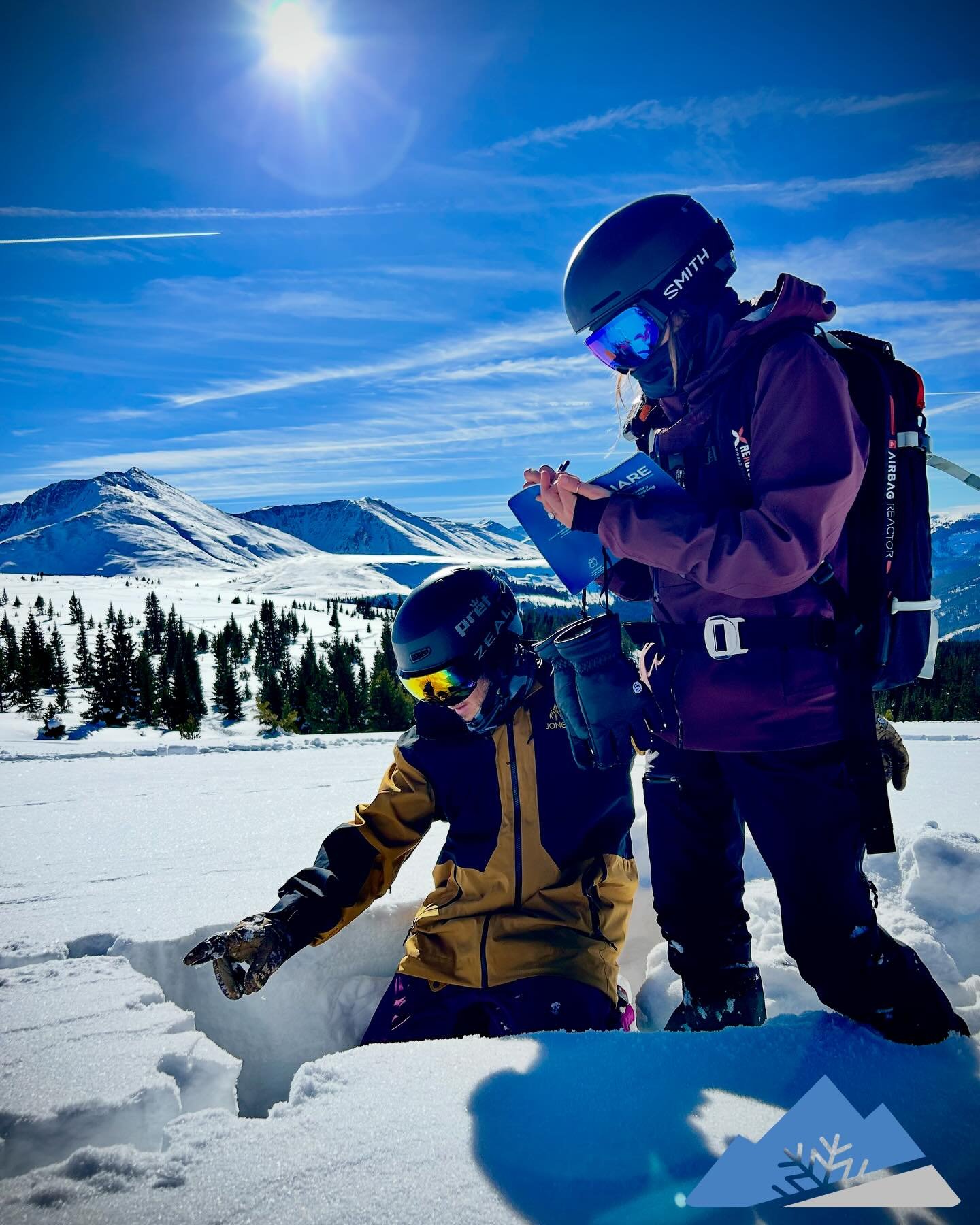
Proper avalanche education is essential for anyone venturing into Colorado’s backcountry, especially when combining snowmobiles and skiing. To help riders and skiers navigate these thrilling terrains safely, Powder Pro Lab’s Sled & Shred: AIARE Hybrid Access Avalanche Safety Course offers specialized training designed for snowmobile-assisted backcountry skiing.
Sled & Shred AIARE 1 Avalanche Training in Colorado
Colorado Adventure Guides and Powder Pro Lab have partnered to offer an AIARE 1 avalanche training course specifically designed for motorized and hybrid access backcountry skiers and riders. The AIARE 1 Hybrid Access course combines Powder Pro Lab’s motorized AIARE avalanche safety expertise with the long-standing avalanche safety professionals at Colorado Adventure Guides.
Powder Pro Lab’s Sled & Shred course covers essential skills for safe snowmobile-assisted skiing, including:
Group Planning and Achievable Objectives: Develop skills in group planning, setting realistic goals for the day, and understanding how to navigate the terrain efficiently.
Accessing Backcountry Zones Using Motorized Equipment: Learn the basics of accessing your preferred backcountry skiing or snowboarding zones with snowmobiles, and gain a solid understanding of how motorized equipment can enhance your access to remote areas.
Ascending and Descending with a Snowmobile: Gain practical knowledge of how to ascend and descend terrain using snowmobiles, allowing for smooth transitions between riding and skiing.
Navigating Terrain with Group Safety in Mind: Learn how to navigate your group and snowmobiles through the terrain safely. This includes planning routes that incorporate moto-specific areas, ski/ splitboard routes, designated safe zones for group check-ins, and procedures for emergency situations.
By the end of the course, participants will be equipped with the knowledge and skills to assess avalanche risks, plan safe routes, and lead their group through a well-prepared backcountry experience.
The 2025 Sled & Shred courses will offer a range of sessions throughout the winter, ensuring that participants can find a course that fits their schedule and skill level. These courses will include both classroom instruction and field practice, focusing on avalanche rescue, risk management, and backcountry travel.
Investing in avalanche education is a vital step for any snowmobiler or skier exploring Colorado’s backcountry. With the right knowledge and preparation, you can enjoy a safe and rewarding snowmobile-assisted skiing experience.
2025 AIARE Sled & Shred Courses
January 31 - February 2, 2025: 3-day course, $650 / Register Now
February 10 - 12, 2025: 3-day course + snowmobile rental, $750 / Register Now
Hybrid snowmobile access offers an exciting way to explore Colorado’s backcountry, unlocking remote slopes and unforgettable experiences. However, responsible exploration is key—always prioritize safety, be prepared with the right gear, and respect the environment. Ready to take your backcountry skills to the next level? Learn more about Powder Pro Lab’s avalanche safety courses and backcountry resources, and get equipped for your next adventure.
Explore our avalanche training courses, gear rental options, and guided tours to educate and elevate your sled skiing experience in Colorado’s snow-covered backcountry.