Think Before You Throttle
MOTO 3
Think Before You Throttle (MOTO 3)
Backcountry Decision-Making & Avalanche Terrain Management
Ride Less Reactively. Decide More Intentionally.
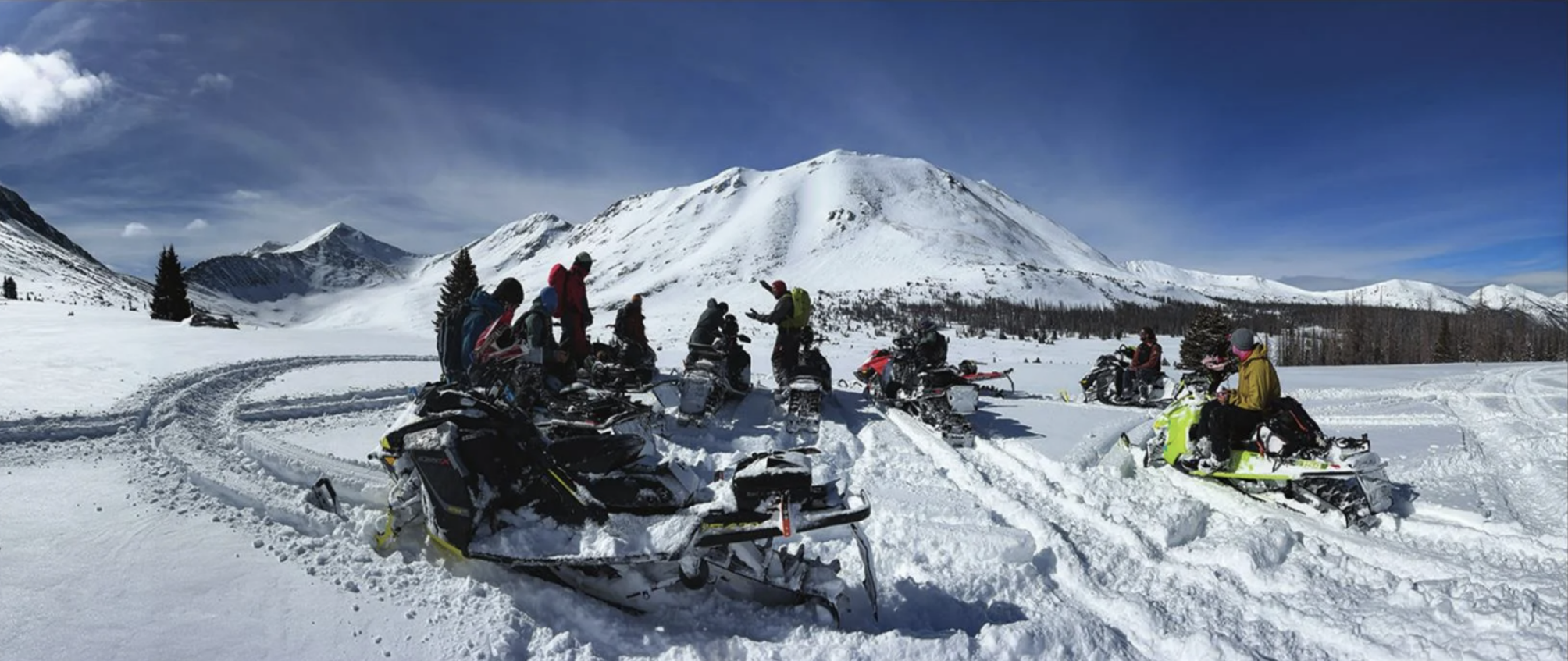
Think Before You Throttle (MOTO 3) is a full-day backcountry snowmobiling course focused on decision-making, group leadership, and avalanche terrain management. Designed for beginner+ through advanced riders, this course shifts the focus from how to ride to why, where, and when to ride.
MOTO 3 is ideal for riders who are entering or regularly traveling in avalanche terrain and want a structured, field-based approach to planning, hazard identification, and group management—without the pressure of certification.
Course Details
Location: Leadville, CO + San Isabel National Forest
Course Length: 1-day (8 hours)
Experience Level: Beginner+ to Advanced
Cost: $275 per person
Who This Course Is For
This course is a strong fit if you:
Ride or plan to ride in avalanche terrain
Want to improve decision-making under real backcountry conditions
Are stepping into a group leadership or planning role
Are preparing for professional-level avalanche education
Want a meaningful avalanche safety refresher with your riding partners
This course supports a wide range of experience levels by focusing on thinking skills rather than riding aggression.
MOTO 3: Think Before You Throttle
Backcountry Snowmobiling Clinic
What You’ll Learn
Plan & Execute a Motorized Backcountry Tour
Build a repeatable framework for planning and executing a backcountry day—from preparation through debrief—aligned with conditions, terrain, and group goals.
Forecast Interpretation & Hazard Awareness
Learn to interpret weather and avalanche forecasts, recognize red flags, and understand how changing weather influences avalanche conditions.
Terrain Identification, Mapping & Snowpack Observations
Identify avalanche terrain using slope angle, aspect, elevation, and terrain features, and integrate mapping tools and snowpack observations into real-time terrain decisions.
Group Leadership & Risk Management
Build strategies for managing people in avalanche terrain, including spacing, communication, regrouping locations, and maintaining appropriate safety margins.
Decision-Making & Riding in Avalanche Terrain
Practice intentional decision-making around terrain avoidance, direction of travel, and group coordination while applying controlled, predictable riding techniques.
-
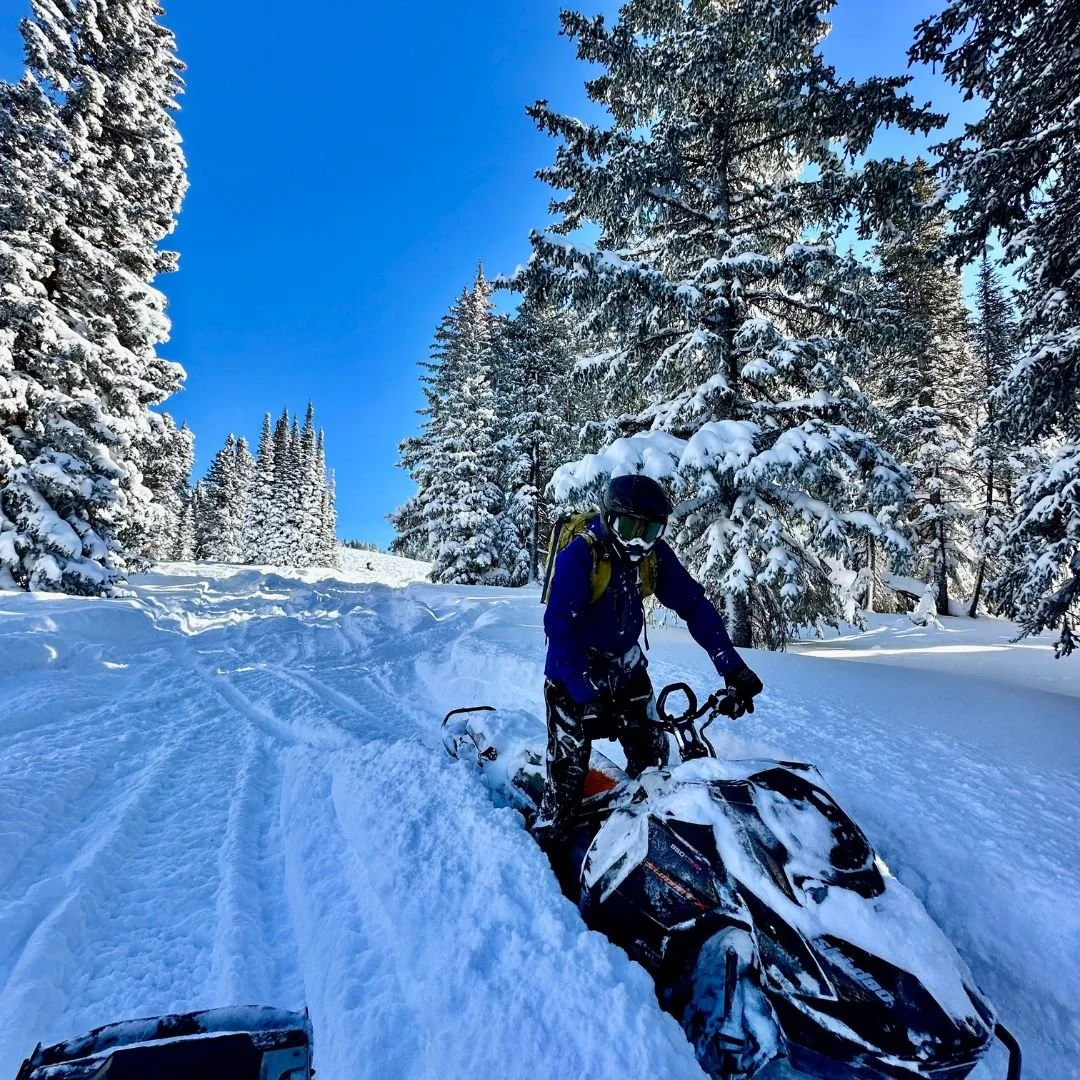
MOTO 3 is where riders learn to slow down mentally while operating in complex terrain. It helps bridge the gap between riding experience and sound judgment—especially for those preparing for avalanche certification or leading others in the backcountry.
This course helps riders:
Make clearer decisions under pressure
Communicate more effectively as a group
Recognize and avoid common decision traps
Get more value from future avalanche education
-
This course emphasizes judgment, leadership, and intentional decision-making to support safer travel and stronger group dynamics in avalanche terrain.
By the end of Think Before You Throttle (MOTO 3), students will be able to:
Plan and execute a complete motorized backcountry tour using a structured decision-making framework
Interpret weather and avalanche forecasts and identify red flags in the field
Recognize and avoid avalanche terrain using slope angle, aspect, elevation, and terrain features
Apply basic snowpack observations to inform real-time terrain and travel decisions
Lead and manage groups in avalanche terrain with clear communication and safety margins
Make intentional decisions about terrain avoidance, direction of travel, and regrouping
Ride in avalanche terrain with greater control, predictability, and awareness

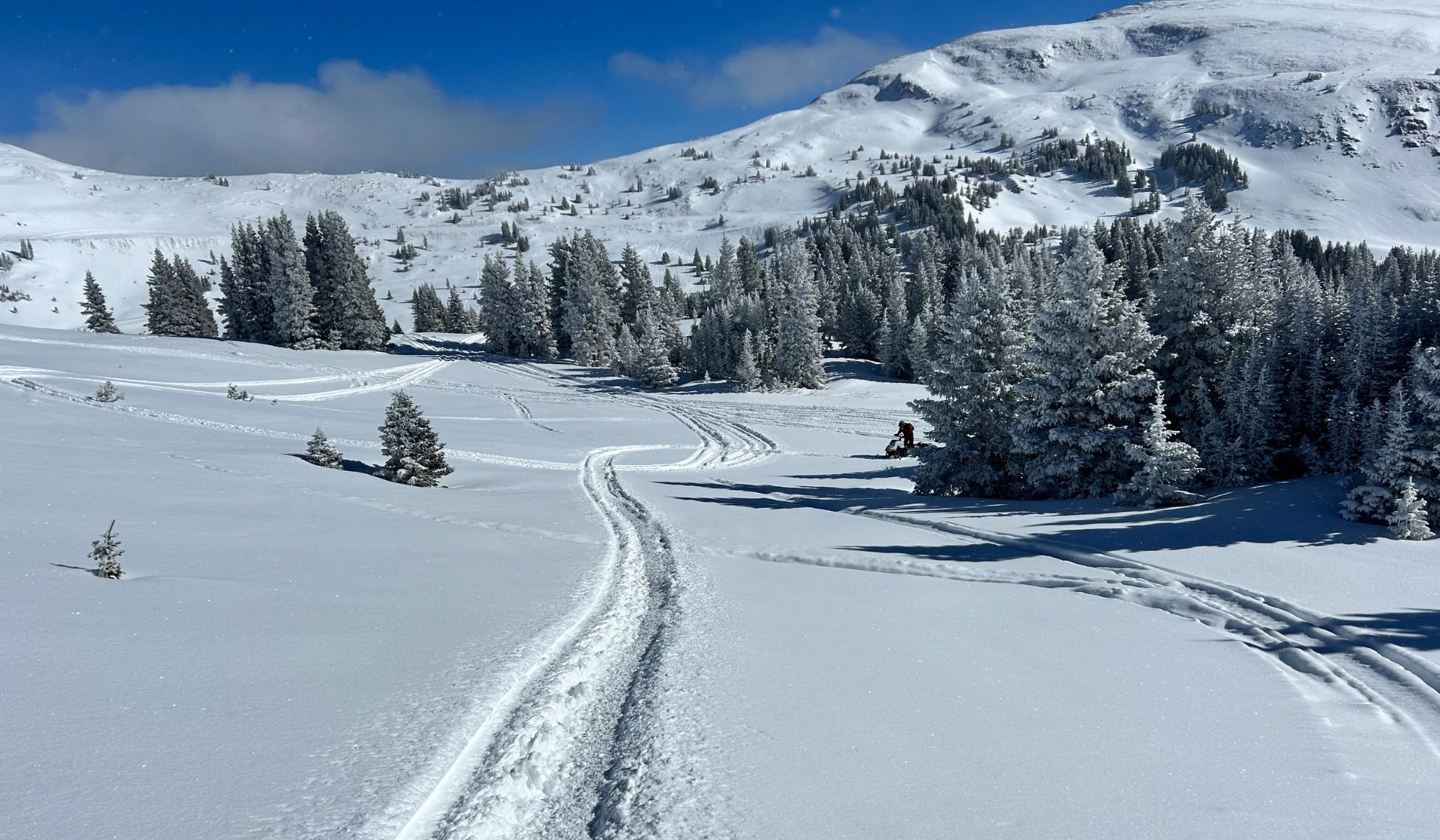
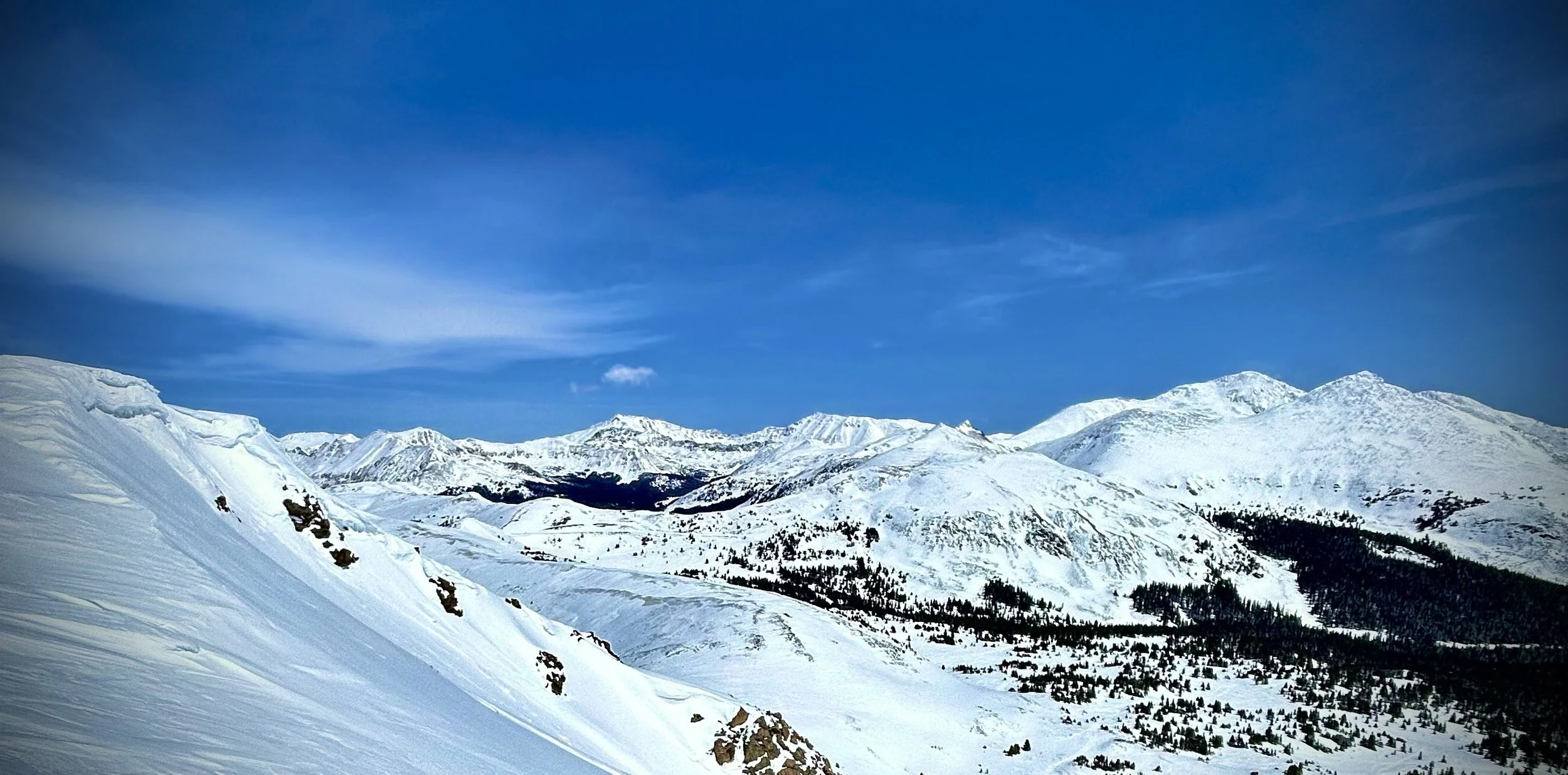
Backcountry Snowmobile Skills Training in Colorado
Think Before You Throttle FAQs
-
MOTO 3 is a backcountry snowmobiling course focused on planning, forecasting, terrain assessment, and group decision-making in avalanche terrain.
-
This course is designed for riders ranging from beginner+ to advanced who want to improve judgment, leadership, and safety while traveling in avalanche terrain.
-
No. This course is not a certification, but it is an excellent way to prepare for professional avalanche training or refresh avalanche safety skills in a practical, field-based setting.
Explore Powder Pro Lab’s AIARE Avalanche courses to further your backcountry avalanche education.
-
Prior avalanche education is helpful but not required. Concepts are introduced and applied in the field with instructor guidance. We highly recommend taking an AIARE 1 Avalanche Course for Motorized Users.
-
The course takes place in simple to challenging terrain, including slopes up to 35 degrees. Terrain selection is intentional and based on conditions and learning objectives.
-
Most students bring their own snowmobile to build familiarity and consistency. Rentals may be available, making this a good option for riders who haven’t yet purchased a sled..
-
Riding skills are included, but the primary focus is decision-making, terrain management, and group leadership, not aggressive or technical riding.